Cool Water vs Baccarat Rouge 540
Side by side. Scored honestly.
← Compare different fragrances
Cool Water
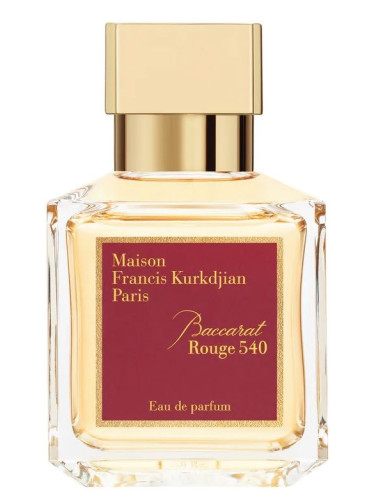
Side by side
Comparing the originals — price, breadth, listed-note depth.
Opens with a sharp, almost medicinal mint that softens quickly into cool lavender and geranium — aquatic in character without leaning on synthetic ocean accords. The rosewood and sandalwood ground the heart into something slightly woody and warm, while the oakmoss adds just enough earthiness to keep it from reading as purely clean. Dry-down is musk and amber, understated but persistent, leaving a quiet sillage that stays close to skin. Projection is moderate, not a room-filler — a considerate, functional fresh fragrance — Spring and summer, office or casual wear, best on someone who wants clean without boring.
Saffron opens sharp and slightly medicinal, then almost immediately dissolves into a warm, luminous blur of jasmine and amberwood — the signature move that made this famous. The heart is less floral than it sounds; the jasmine reads more as a sweetened airiness than a recognizable bloom. Dry-down is where it lives: cedar and fir resin ground a soft, skin-close amber that radiates rather than announces itself, with sillage that lingers in a room long after you've left — Fall and winter wearing, for anyone who wants to smell expensive without being loud about it.
How they overlap
Cool Water and Baccarat Rouge 540 share no notes in common — these two fragrances target very different olfactory territory, and the comparison is a question of which direction you want to go rather than which version of the same accord.
The buying decision
Cool Water is the cheaper original at $55 compared to $335 for Baccarat Rouge 540 — about 84% less. Cool Water is built for spring/summer; Baccarat Rouge 540 for fall/winter. Pick by when you'd actually wear it.
Recommendation
If you're price-sensitive, Cool Water delivers comparable territory at $280 less than Baccarat Rouge 540. If you want the specific character of Baccarat Rouge 540 — the prose above is the better guide than the price — the premium is what you're paying for.
Free: The 30 Best-Tested Dupes Under $40
A community-scored cheat sheet you can download now — 30 designer scents matched for under $40, ranked by accuracy and longevity.