Ambre Nuit vs Joy by Dior
Side by side. Scored honestly.
← Compare different fragrances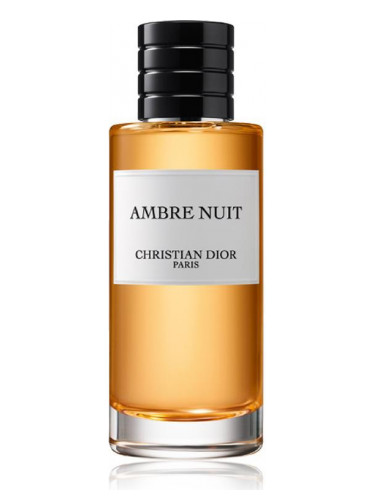

No shared notes — these two land in very different territory.
Side by side
Comparing the originals — price, breadth, listed-note depth.
Opens with a deep, resinous amber that immediately anchors the rose rather than letting it float free — the Persian rose here reads as dark and slightly powdery, not fresh or dewy. Patchouli and guaiac wood push the heart toward a smoky, almost leathery warmth, while ambergris adds a subtle oceanic skin-like quality underneath. Dry-down is long and unhurried, settling into a soft amber musk with moderate sillage that clings close without broadcasting. Projection is intimate, not loud — a second-skin finish. — Best for late autumn and winter evenings, date nights, anyone who wants warmth without sweetness.
Bergamot and mandarin open with a clean, sunlit brightness before rose takes over — not the powdery or dark kind, but fresh-cut and slightly dewy, bolstered by magnolia that keeps it from going full florist. Jasmine adds quiet depth in the heart without turning heady. The dry-down is where sandalwood and musk do the real work: soft, skin-close warmth that anchors the florals without pulling things woody or heavy. Projection is moderate, sillage polite — a fragrance that stays in your lane. — Spring and summer daywear for someone who wants feminine without fuss.
How they overlap
Ambre Nuit and Joy by Dior share no notes in common — these two fragrances target very different olfactory territory, and the comparison is a question of which direction you want to go rather than which version of the same accord.
The buying decision
Joy by Dior is the cheaper original at $140 compared to $325 for Ambre Nuit — about 57% less. Ambre Nuit is built for fall/winter; Joy by Dior for spring/summer. Pick by when you'd actually wear it.
Recommendation
If you're price-sensitive, Joy by Dior delivers comparable territory at $185 less than Ambre Nuit. If you want the specific character of Ambre Nuit — the prose above is the better guide than the price — the premium is what you're paying for.