Blooming Bouquet EDT vs Ambre Nuit
Side by side. Scored honestly.
← Compare different fragrances
Side by side
Comparing the originals — price, breadth, listed-note depth.
Opens with a bright, airy peony that leans pink and slightly candied, softened quickly by magnolia and a whisper of jasmine. The heart is unabashedly feminine and powdery — not dusty or heavy, just clean and smooth. The dry-down settles into white wood and a faint patchouli that adds barely-there depth without going earthy, anchored by a sheer musk. Projection stays close to skin; sillage is polite, almost intimate. Uncomplicated and wearable to the point of invisibility — best for warm-weather days and anyone who wants to smell quietly, effortlessly pretty.
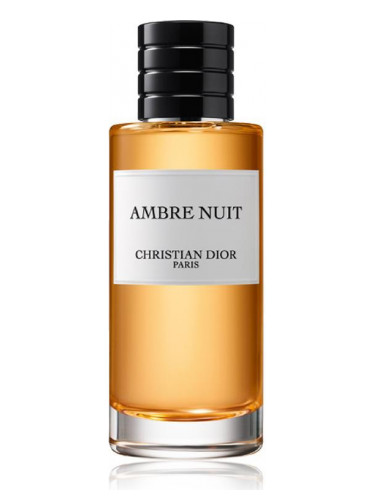
Opens with a deep, resinous amber that immediately anchors the rose rather than letting it float free — the Persian rose here reads as dark and slightly powdery, not fresh or dewy. Patchouli and guaiac wood push the heart toward a smoky, almost leathery warmth, while ambergris adds a subtle oceanic skin-like quality underneath. Dry-down is long and unhurried, settling into a soft amber musk with moderate sillage that clings close without broadcasting. Projection is intimate, not loud — a second-skin finish. — Best for late autumn and winter evenings, date nights, anyone who wants warmth without sweetness.
How they overlap
Blooming Bouquet EDT and Ambre Nuit share exactly one note (patchouli). The overlap is real but narrow — most of the wear experience will diverge.
The buying decision
Blooming Bouquet EDT is the cheaper original at $110 compared to $325 for Ambre Nuit — about 66% less. Blooming Bouquet EDT is built for spring/summer; Ambre Nuit for fall/winter. Pick by when you'd actually wear it.
Recommendation
If you're price-sensitive, Blooming Bouquet EDT delivers comparable territory at $215 less than Ambre Nuit. If you want the specific character of Ambre Nuit — the prose above is the better guide than the price — the premium is what you're paying for.