Tam Dao vs Eau Rose EDT
Side by side. Scored honestly.
← Compare different fragrances
Side by side
Comparing the originals — price, breadth, listed-note depth.
Sandalwood leads from the first spray — clean, creamy, and slightly milky rather than dusty or heavy. Cedar sharpens the heart without drying it out, and incense adds a thin thread of smoke that keeps things from reading as simple woodsy comfort. The amber and benzoin ease in during the dry-down, lending a soft resinous sweetness that anchors everything without going full gourmand. Projection stays close to skin; sillage is a quiet, well-behaved trail. Musk rounds the base into something almost skin-like. — Cool-weather daily wear for anyone who wants a sophisticated, understated wood that works equally well in boardrooms and bookshops.
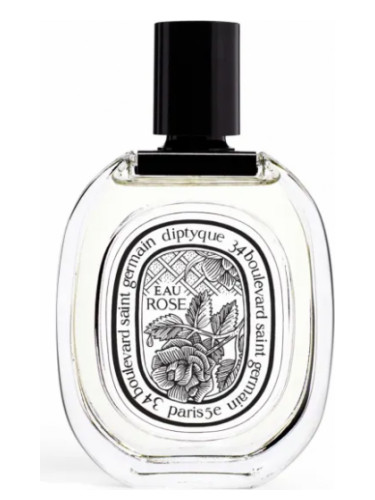
Diptyque's 2012 Eau de Toilette ode to rose — distinct from the 2022 EDP reformulation (which is darker and longer-wearing). The EDT is fresh-springy: litchi, black currant, and bergamot open with bright fruit before two roses (Centifolia and Damascena) settle into the heart alongside geranium and jasmine. The base is light — musk, Virginia cedar, and white honey rather than the patchouli-heavy bases of more recent rose releases. Transparent, green, slightly fruity. Reads as daytime spring/summer wear rather than evening or winter.
How they overlap
Tam Dao and Eau Rose EDT share exactly one note (musk). The overlap is real but narrow — most of the wear experience will diverge.
The buying decision
Eau Rose EDT is the cheaper original at $129 compared to $235 for Tam Dao — about 45% less.
Recommendation
If you're price-sensitive, Eau Rose EDT delivers comparable territory at $106 less than Tam Dao. If you want the specific character of Tam Dao — the prose above is the better guide than the price — the premium is what you're paying for.