Tam Dao vs Philosykos EDP
Side by side. Scored honestly.
← Compare different fragrances
Side by side
Comparing the originals — price, breadth, listed-note depth.
Sandalwood leads from the first spray — clean, creamy, and slightly milky rather than dusty or heavy. Cedar sharpens the heart without drying it out, and incense adds a thin thread of smoke that keeps things from reading as simple woodsy comfort. The amber and benzoin ease in during the dry-down, lending a soft resinous sweetness that anchors everything without going full gourmand. Projection stays close to skin; sillage is a quiet, well-behaved trail. Musk rounds the base into something almost skin-like. — Cool-weather daily wear for anyone who wants a sophisticated, understated wood that works equally well in boardrooms and bookshops.
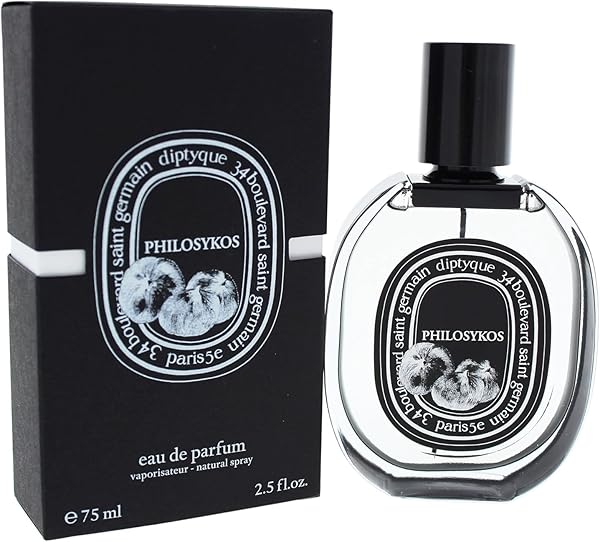
Opens with a sharp, green fig-leaf bite — almost resinous, slightly milky — before coconut and almond soften it into something quietly creamy. The heart is the main event: ripe fig flesh with a sweet nuttiness that never turns syrupy, anchored by cedar and fig wood giving it dry, grainy structure. Projection is moderate and intimate; this is a close-to-skin fragrance rather than a room-filler. The dry-down settles into warm musk and wood with the creaminess still present but subdued. — Best in late summer or early autumn, on anyone who wants something subtly edible without reading as dessert.
How they overlap
Tam Dao and Philosykos EDP share 2 notes (cedar, musk). The same note name doesn't always mean the same scent — different houses use different vanillas, different woods, different musks — but a multi-note shared spine usually does indicate genuinely-comparable wear character. The remaining notes (4 unique to Tam Dao, 4 unique to Philosykos EDP) are where the divergence happens.
The buying decision
Tam Dao is the cheaper original at $235 compared to $310 for Philosykos EDP — about 24% less.