Fat Electrician vs Putain des Palaces
Side by side. Scored honestly.
← Compare different fragrances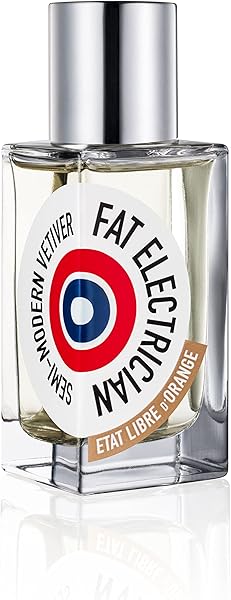
Side by side
Comparing the originals — price, breadth, listed-note depth.
Opens with a resinous jolt — elemi's sharp, citrusy-piney edge cutting through the dense smoke of myrrh before vetiver pulls everything into dark, earthy territory. The heart settles into something warmer and stranger: ylang-ylang adds a faintly rubbery floral note that somehow works, kept grounded by the vetiver's rootedness. The dry-down is where it earns its name — vanilla and musk turn the whole thing into a slow, slightly industrial sweetness, low and close to the skin with modest sillage. — Best in cold weather, on someone who dresses with intention and doesn't need to fill a room.
Opens with a sharp, almost soapy aldehydic burst that softens quickly into a powdery iris and rose heart — cool, slightly waxy, very classic in construction. The oriental base pulls it warmer as sandalwood and vanilla deepen the dry-down into something skin-close and faintly carnal, saved from sweetness by the iris's cool chalk. Projection is moderate and well-behaved; sillage lingers as a soft musk trail rather than a statement. Polished but knowing, with an undercurrent of deliberate sensuality — best for late evenings in cold weather, worn by someone who treats fragrance as punctuation.
How they overlap
Fat Electrician and Putain des Palaces share 2 notes (musk, vanilla). The same note name doesn't always mean the same scent — different houses use different vanillas, different woods, different musks — but a multi-note shared spine usually does indicate genuinely-comparable wear character. The remaining notes (4 unique to Fat Electrician, 4 unique to Putain des Palaces) are where the divergence happens.
The buying decision
Original-bottle pricing is essentially identical ($185 vs $185), so the choice rarely comes down to upfront cost. Both wear best across the same fall/winter — they're interchangeable on weather fit.