Blue Talisman vs Miss Dior Chérie
Side by side. Scored honestly.
← Compare different fragrances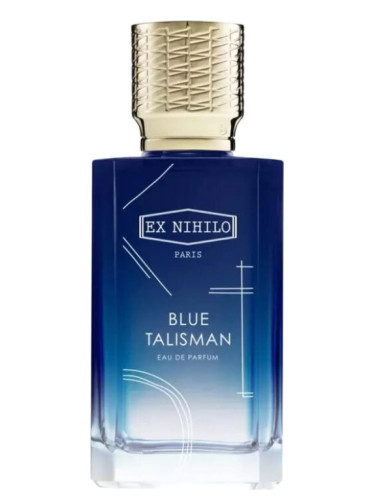
No shared notes — these two land in very different territory.
Side by side
Comparing the originals — price, breadth, listed-note depth.
Opens with a crisp, slightly tart bergamot that clears quickly to reveal the heart: a cool, powdery iris that leans more rooty and earthy than floral. Vetiver deepens things without going smoky — it stays clean and slightly green, grounding the iris rather than competing with it. Ambroxan hums underneath from the start, giving the whole composition that skin-close, airy warmth it builds toward. Projection is moderate; sillage is intimate by the dry-down, which settles into a soft vetiver-ambroxan skin scent — Wear spring through fall when you want something polished and quietly distinctive rather than loud.
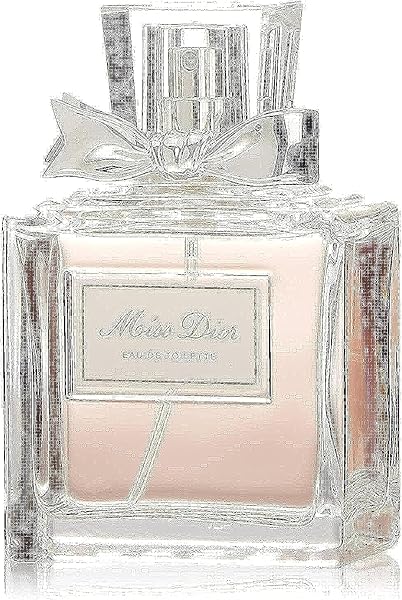
Opens with a bright, almost candied burst of pink and red berries cut through with a hint of cherry — playful and a little girlish, but not shrill. The heart softens quickly into orange blossom and almond, giving it a creamy, slightly nutty warmth that reads more gourmand than floral. The dry-down settles into amber and musk with soft projection and a skin-close sillage that lasts several hours without demanding attention. The almond-amber base is the real throughline — sweet but not cloying — Best for cool weather, casual daywear, or anyone who likes their sweetness wrapped in something grown-up.
How they overlap
Blue Talisman and Miss Dior Chérie share no notes in common — these two fragrances target very different olfactory territory, and the comparison is a question of which direction you want to go rather than which version of the same accord.
The buying decision
Miss Dior Chérie is the cheaper original at $95 compared to $295 for Blue Talisman — about 68% less.
Recommendation
If you're price-sensitive, Miss Dior Chérie delivers comparable territory at $200 less than Blue Talisman. If you want the specific character of Blue Talisman — the prose above is the better guide than the price — the premium is what you're paying for.