The Scent File Pick for Bloom Ambrosia di Fiori

Maison Alhambra
Floral Ambrosia
$26–$34
You keep $124 · up to 83%
Accuracy7
Longevity5
Side by side. Scored honestly.
← Compare different fragrances
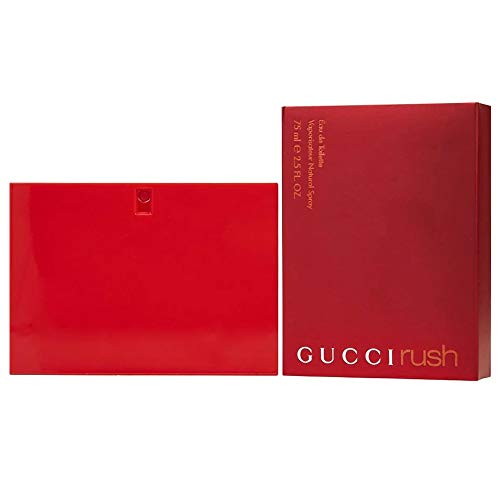
Comparing the originals — price, breadth, listed-note depth.
Tuberose and jasmine hit immediately — lush, almost overripe white florals with a creamy, slightly indolic edge. As it settles, rangoon creeper adds a soft rosy depth while orris brings a powdery, rooty coolness that keeps the sweetness from going cloying. The heart is where this earns its gourmand label: honey weaves in with genuine warmth, making the florals feel edible rather than garden-fresh. Dry-down is musky and intimate, with moderate sillage that stays close to skin but lasts well through the day — an evening or cool-weather fragrance for someone who wears florals like a second skin rather than a statement.
The 1999 red-bottle classic: creamy peach and gardenia over coriander, jasmine and rose, with a warm, slightly smoky base of patchouli, vanilla and vetiver.
Bloom Ambrosia di Fiori and Rush share exactly one note (jasmine). The overlap is real but narrow — most of the wear experience will diverge.
Rush is the cheaper original at $135 compared to $150 for Bloom Ambrosia di Fiori — about 10% less. Bloom Ambrosia di Fiori is built for spring/fall; Rush for fall/winter. Pick by when you'd actually wear it.
The match each fragrance’s own page ranks first, with its own price and scores.
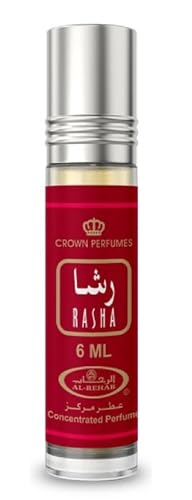
A community-scored cheat sheet you can download now — 30 designer scents matched for under $40, ranked by accuracy and longevity.