Eau Claire des Merveilles vs Terre d'Hermès
Side by side. Scored honestly.
← Compare different fragrances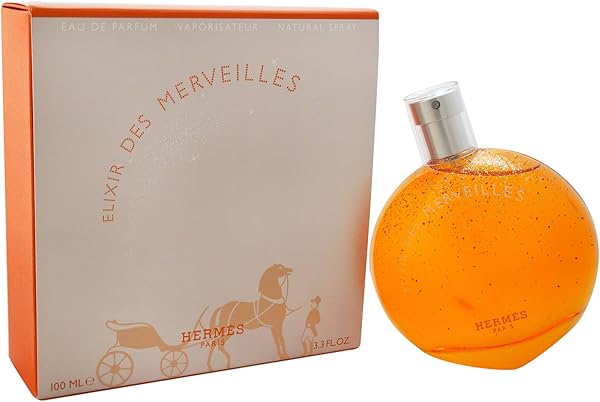
Side by side
Comparing the originals — price, breadth, listed-note depth.
Opens with a bright, slightly tart citrus that fades quickly into the heart, where cedar and wood shavings take over — dry, almost papery, with a faint pencil-shaving quality that keeps it grounded without going dark. Amber and sandalwood warm the dry-down into something softly resinous, while musk holds everything close to skin. Projection is modest throughout; sillage stays subtle, this is a skin-close, intimate wear that rewards proximity rather than announces a room — a warm-weather fragrance for someone who prefers understated over obvious.
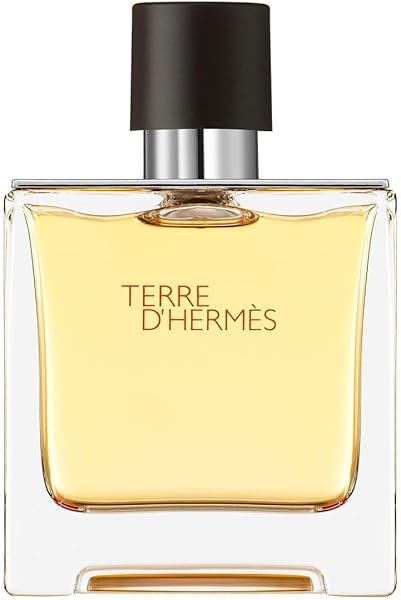
Opens with a sharp, almost medicinal grapefruit bite cut through with cracked black pepper, smelling clean but austere rather than sweet. The heart settles into the signature mineral-flint dryness — a dusty, almost earthy quality that grounds the citrus without killing it. Dry-down is all smoky vetiver and cedar with benzoin adding just enough warmth to soften the edges, while patchouli lurks underneath without going dark or heavy. Projection is moderate and refined; sillage stays close after an hour. — Best worn in spring or fall by someone who wants to smell put-together without announcing themselves.
How they overlap
Eau Claire des Merveilles and Terre d'Hermès share exactly one note (cedar). The overlap is real but narrow — most of the wear experience will diverge.
The buying decision
Terre d'Hermès is the cheaper original at $130 compared to $160 for Eau Claire des Merveilles — about 19% less. Terre d'Hermès covers 3 seasons (spring, summer, fall) — wider weather range than Eau Claire des Merveilles, which leans spring/summer-only. Heads up: Eau Claire des Merveilles is marketed feminine, Terre d'Hermès is marketed masculine — they target different wearers, though plenty of buyers cross those lines.