Blessed Baraka vs Oud for Greatness
Side by side. Scored honestly.
← Compare different fragrances
Side by side
Comparing the originals — price, breadth, listed-note depth.
Bergamot and pink pepper crack open with a clean, slightly sharp brightness that feels more brisk than sweet. The heart settles around iris — powdery but grounded, not grandmotherly — kept honest by vetiver's dry, faintly smoky backbone. The dry-down is where it earns its price: sandalwood and musk meld into something warm and close-skinned, with modest sillage that stays personal rather than broadcast. Projection is restrained from the start; this wears intimate — Best for cooler spring mornings or early fall days when you want something polished and quietly confident without demanding attention.
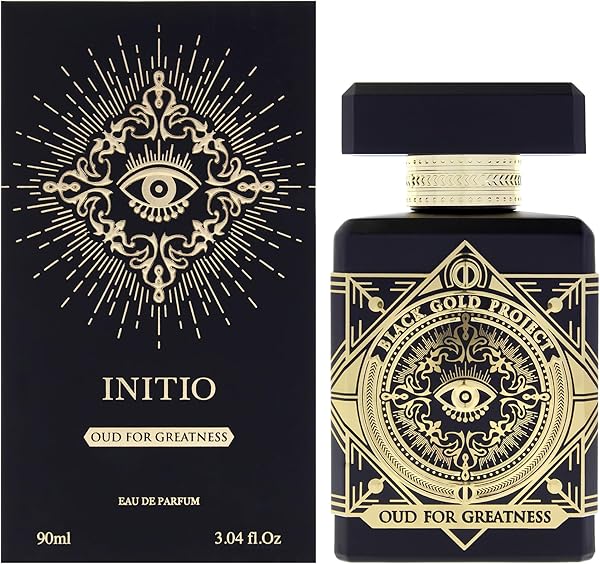
Opens with a dense, almost metallic saffron hit sharpened by nutmeg, then lavender slides in at the heart to cool the spice without softening it — an unusual move that keeps the whole thing from tipping into heavy sweetness. The oud is thick and barnyard-leaning but patchouli grounds it into something more controlled and wearable. Projection is serious in the first two hours; dry-down pulls intimate but leaves a persistent musky-woody sillage that holds for hours. Rich and deliberate — cold-weather evenings, someone who wants to be noticed before they enter the room.
How they overlap
Blessed Baraka and Oud for Greatness share exactly one note (musk). The overlap is real but narrow — most of the wear experience will diverge.
The buying decision
Blessed Baraka is the cheaper original at $265 compared to $395 for Oud for Greatness — about 33% less. Blessed Baraka is built for spring/fall; Oud for Greatness for fall/winter. Pick by when you'd actually wear it.
Recommendation
If you're price-sensitive, Blessed Baraka delivers comparable territory at $130 less than Oud for Greatness. If you want the specific character of Oud for Greatness — the prose above is the better guide than the price — the premium is what you're paying for.