Side Effect vs Oud for Greatness
Side by side. Scored honestly.
← Compare different fragrances
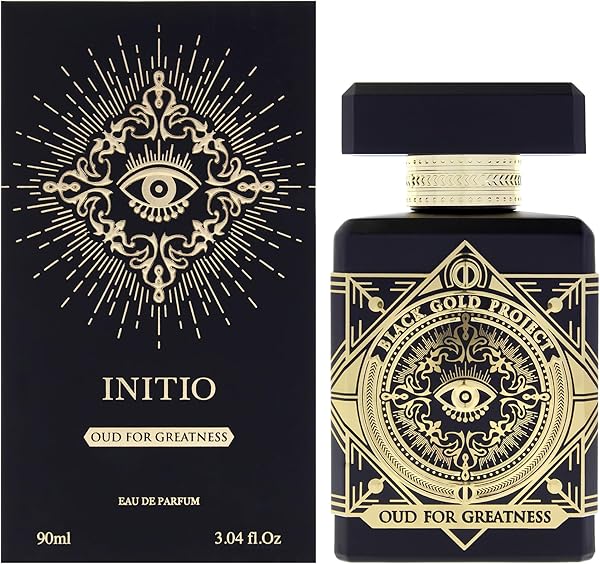
Side by side
Comparing the originals — price, breadth, listed-note depth.
Opens with a dark, boozy rum that smells less like a cocktail and more like spilled rum soaking into aged wood. The tobacco arrives quickly, lending dry smokiness that keeps the sweetness from reading as candy. Through the heart, heliotrope adds a soft, powdery almond-like quality that bridges tobacco and vanilla without softening the composition into something timid. The dry-down is rich, warm, and persistent — vanilla and ambrette creating a skin-close sweetness undercut by musk. Projection is significant in the first few hours, then settles into a dense, intimate sillage that clings for hours. — Made for cold-weather evenings, date nights, anyone who wants a bold, uncompromisingly grown-up gourmand.
Opens with a dense, almost metallic saffron hit sharpened by nutmeg, then lavender slides in at the heart to cool the spice without softening it — an unusual move that keeps the whole thing from tipping into heavy sweetness. The oud is thick and barnyard-leaning but patchouli grounds it into something more controlled and wearable. Projection is serious in the first two hours; dry-down pulls intimate but leaves a persistent musky-woody sillage that holds for hours. Rich and deliberate — cold-weather evenings, someone who wants to be noticed before they enter the room.
How they overlap
Side Effect and Oud for Greatness share exactly one note (musk). The overlap is real but narrow — most of the wear experience will diverge.
The buying decision
Side Effect is the cheaper original at $265 compared to $395 for Oud for Greatness — about 33% less. Both wear best across the same fall/winter — they're interchangeable on weather fit.
Recommendation
If you're price-sensitive, Side Effect delivers comparable territory at $130 less than Oud for Greatness. If you want the specific character of Oud for Greatness — the prose above is the better guide than the price — the premium is what you're paying for.
Free: The 30 Best-Tested Dupes Under $40
A community-scored cheat sheet you can download now — 30 designer scents matched for under $40, ranked by accuracy and longevity.