Ultra Male vs Le Beau Le Parfum
Side by side. Scored honestly.
← Compare different fragrances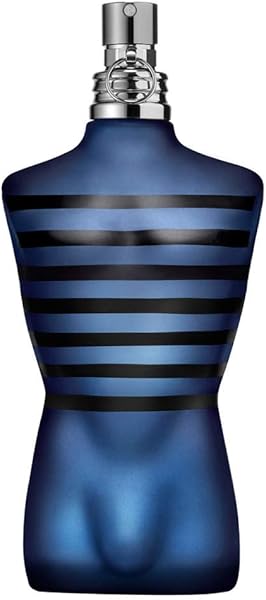

Side by side
Comparing the originals — price, breadth, listed-note depth.
Bergamot and cardamom open with a sharp, almost edible brightness before the heart pivots into thick, sweetened vanilla wrapped around tonka bean — a gourmand accord that reads more candy-sweet than sophisticated. Patchouli and cedarwood keep it from collapsing entirely into dessert territory, adding a woody undercurrent that carries through the dry-down alongside amber and musk. Projection is aggressive early on; sillage is dense and long-lasting, leaving a warm, powdery-sweet cloud that announces arrival before you do — Fall and winter nights out, built for someone who wants to be noticed from across the room.
Opens with a crisp bergamot that fades quickly, giving way to a soft iris and almond heart — powdery but not dusty, with just enough sweetness to feel intentional rather than cloying. The tonka bean and sandalwood anchor the dry-down into a warm, slightly creamy base, while ambroxan pushes a skin-close radiance that lingers for hours. Projection is moderate; sillage is refined rather than loud. Musk holds everything together with a clean, barely-there finish — best worn in cooler months by someone who wants effortless, understated warmth without committing to full gourmand territory.
How they overlap
Ultra Male and Le Beau Le Parfum share exactly one note (bergamot). The overlap is real but narrow — most of the wear experience will diverge.
The buying decision
Le Beau Le Parfum is the cheaper original at $95 compared to $98 for Ultra Male — about 3% less. Le Beau Le Parfum covers 3 seasons (spring, fall, winter) — wider weather range than Ultra Male, which leans fall/winter-only.
Free: The 30 Best-Tested Dupes Under $40
A community-scored cheat sheet you can download now — 30 designer scents matched for under $40, ranked by accuracy and longevity.