Fever vs Baccarat Rouge 540
Side by side. Scored honestly.
← Compare different fragrances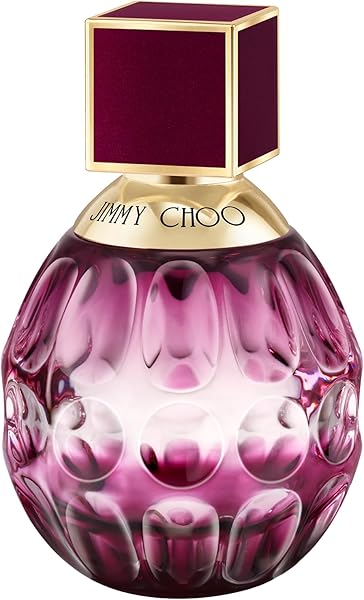
Side by side
Comparing the originals — price, breadth, listed-note depth.
Bergamot and pink pepper open with a clean, slightly fizzy brightness that fades quickly, making way for the real story: a lush, creamy tuberose bolstered by jasmine in the heart. It's floral without being grandmotherly — the tuberose leans indulgent rather than powdery. Sandalwood and amber ground the dry-down with soft warmth, while vanilla keeps it gently gourmand without tipping into dessert territory. Projection is moderate; sillage is close to medium, intimate rather than room-filling — an evening-out fragrance for cooler months, best suited to someone who wants a confident but wearable white floral.
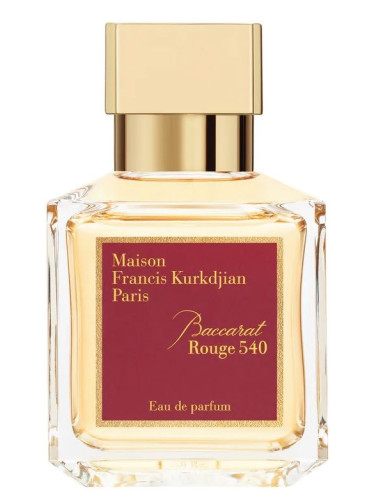
Saffron opens sharp and slightly medicinal, then almost immediately dissolves into a warm, luminous blur of jasmine and amberwood — the signature move that made this famous. The heart is less floral than it sounds; the jasmine reads more as a sweetened airiness than a recognizable bloom. Dry-down is where it lives: cedar and fir resin ground a soft, skin-close amber that radiates rather than announces itself, with sillage that lingers in a room long after you've left — Fall and winter wearing, for anyone who wants to smell expensive without being loud about it.
How they overlap
Fever and Baccarat Rouge 540 share exactly one note (jasmine). The overlap is real but narrow — most of the wear experience will diverge.
The buying decision
Fever is the cheaper original at $120 compared to $325 for Baccarat Rouge 540 — about 63% less. Fever covers 3 seasons (spring, fall, winter) — wider weather range than Baccarat Rouge 540, which leans fall/winter-only.
Recommendation
If you're price-sensitive, Fever delivers comparable territory at $205 less than Baccarat Rouge 540. If you want the specific character of Baccarat Rouge 540 — the prose above is the better guide than the price — the premium is what you're paying for.