Pomegranate Noir vs English Pear & Freesia
Side by side. Scored honestly.
← Compare different fragrances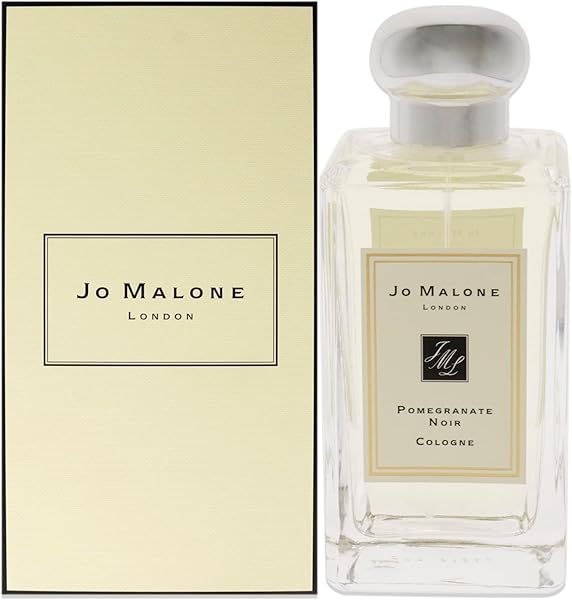
Side by side
Comparing the originals — price, breadth, listed-note depth.
Opens with a sharp, almost tart pomegranate that softens quickly as blackcurrant and damson plum pull it toward something darker and jammier. The heart sits in that sweet-but-not-sugary zone — ripe dark fruit with just enough depth to feel intentional rather than candy-like. Amber and musk anchor the dry-down into a warm, slightly powdery base that clings close to skin with modest sillage; projection is polite rather than commanding. Longevity runs moderate, around four to six hours. — Best suited for cooler months, evening wear, and anyone who wants dark fruit without tipping into dessert territory.
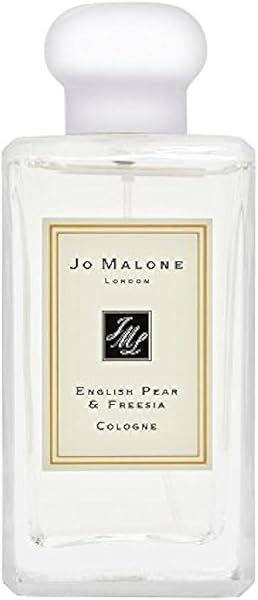
Crisp, dewy pear dominates the opening — bright but not candy-sweet, more like biting into cold fruit than smelling a candle. Freesia and white rose lift the heart into a soft, clean floral that reads feminine without being heavy, while melon keeps the whole thing light and slightly aqueous. Patchouli and musk in the dry-down are genuinely subtle, adding just enough warmth to anchor what would otherwise float away entirely. Projection is polite; sillage stays close to the skin by hour two — a well-behaved fragrance that doesn't announce itself across a room. — Made for warm-weather days, office wear, or anyone who wants something easy, pretty, and quietly elegant.
How they overlap
Pomegranate Noir and English Pear & Freesia share exactly one note (musk). The overlap is real but narrow — most of the wear experience will diverge.
The buying decision
Pomegranate Noir is the cheaper original at $95 compared to $160 for English Pear & Freesia — about 41% less. Pomegranate Noir is built for fall/winter; English Pear & Freesia for spring/summer/fall. Pick by when you'd actually wear it. They sit in different families — Pomegranate Noir is gourmand+oriental, English Pear & Freesia is floral+fresh. Comparison is more about preference than tradeoff.
Free: The 30 Best-Tested Dupes Under $40
A community-scored cheat sheet you can download now — 30 designer scents matched for under $40, ranked by accuracy and longevity.