Pomegranate Noir vs Wood Sage & Sea Salt
Side by side. Scored honestly.
← Compare different fragrances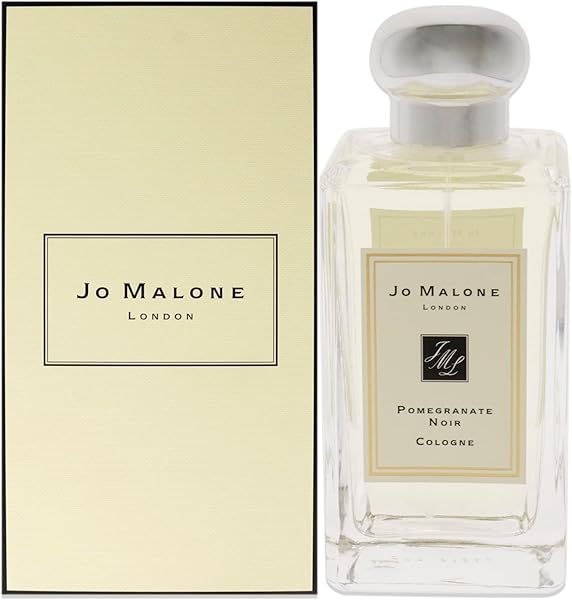
No shared notes — these two land in very different territory.
Side by side
Comparing the originals — price, breadth, listed-note depth.
Opens with a sharp, almost tart pomegranate that softens quickly as blackcurrant and damson plum pull it toward something darker and jammier. The heart sits in that sweet-but-not-sugary zone — ripe dark fruit with just enough depth to feel intentional rather than candy-like. Amber and musk anchor the dry-down into a warm, slightly powdery base that clings close to skin with modest sillage; projection is polite rather than commanding. Longevity runs moderate, around four to six hours. — Best suited for cooler months, evening wear, and anyone who wants dark fruit without tipping into dessert territory.
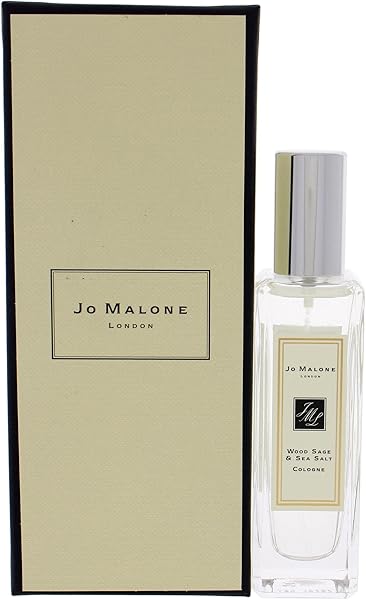
Opens with a sharp, salted grapefruit that reads genuinely coastal rather than synthetic — the sea salt and red algae give it a cool, mineral edge that smells like actual shoreline air, not a beach candle. The sage grounds the heart with a dry, herbal bite that keeps it from going full aquatic cliché. Driftwood anchors the dry-down into something slightly earthy and smooth, with ambrette adding a faint musky warmth that holds it close to the skin. Projection is modest; sillage is a quiet trail — — Best worn spring through summer, on anyone who wants clean without smelling scrubbed.
How they overlap
Pomegranate Noir and Wood Sage & Sea Salt share no notes in common — these two fragrances target very different olfactory territory, and the comparison is a question of which direction you want to go rather than which version of the same accord.
The buying decision
Pomegranate Noir is the cheaper original at $95 compared to $150 for Wood Sage & Sea Salt — about 37% less. Pomegranate Noir is built for fall/winter; Wood Sage & Sea Salt for spring/summer. Pick by when you'd actually wear it. They sit in different families — Pomegranate Noir is gourmand+oriental, Wood Sage & Sea Salt is aquatic+fresh+woody. Comparison is more about preference than tradeoff.
Recommendation
These two land in genuinely different scent territory — there's no "better" answer, just which direction you want to go. Read the scent descriptions above and pick the one that sounds like you'd want to smell.
Free: The 30 Best-Tested Dupes Under $40
A community-scored cheat sheet you can download now — 30 designer scents matched for under $40, ranked by accuracy and longevity.