Good Girl Gone Bad vs Roses on Ice
Side by side. Scored honestly.
← Compare different fragrances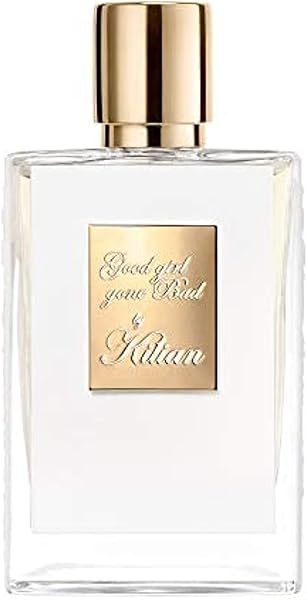
Side by side
Comparing the originals — price, breadth, listed-note depth.
Almond and ylang crash the opening together — sweet, almost edible, with a faint rubbery richness that softens quickly once the jasmine and rose take over the heart. The floral core is lush but not powdery, sitting closer to fresh-cut than soapy, kept interesting by the ylang's slight spice underneath. Amber pulls it into a warm, skin-close dry-down that's more comfort than drama. Projection is confident without being aggressive; sillage is a consistent, intimate trail. — Best worn spring through fall by anyone who wants a crowd-pleasing floral with enough sweetness to feel indulgent without tipping into dessert.
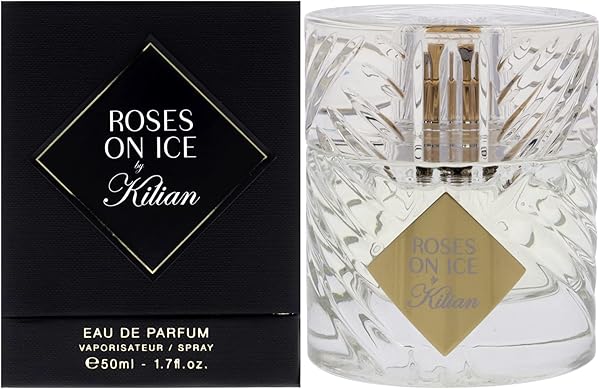
Opens with a chilled, almost crystalline rose — the ice accord keeps it cool and slightly synthetic rather than dewy or natural. The heart settles into a soft floral that reads more sheer than lush, with the musk pulling it inward quickly. Projection is modest, sillage stays close to skin. The dry-down is where amber and woody notes finally assert themselves, adding a faint warmth that rounds out the cool opening without ever turning heavy or sweet — a quiet, skin-close finish.— Best for spring and early summer; suits someone who finds most roses too heady and wants something restrained and modern.
How they overlap
Good Girl Gone Bad and Roses on Ice share 2 notes (rose, amber). The same note name doesn't always mean the same scent — different houses use different vanillas, different woods, different musks — but a multi-note shared spine usually does indicate genuinely-comparable wear character. The remaining notes (3 unique to Good Girl Gone Bad, 3 unique to Roses on Ice) are where the divergence happens.
The buying decision
Good Girl Gone Bad is the cheaper original at $295 compared to $300 for Roses on Ice — about 2% less. Good Girl Gone Bad covers 3 seasons (spring, summer, fall) — wider weather range than Roses on Ice, which leans spring/summer-only.
Free: The 30 Best-Tested Dupes Under $40
A community-scored cheat sheet you can download now — 30 designer scents matched for under $40, ranked by accuracy and longevity.