Baie Rose 26 vs Rose 31
Side by side. Scored honestly.
← Compare different fragrances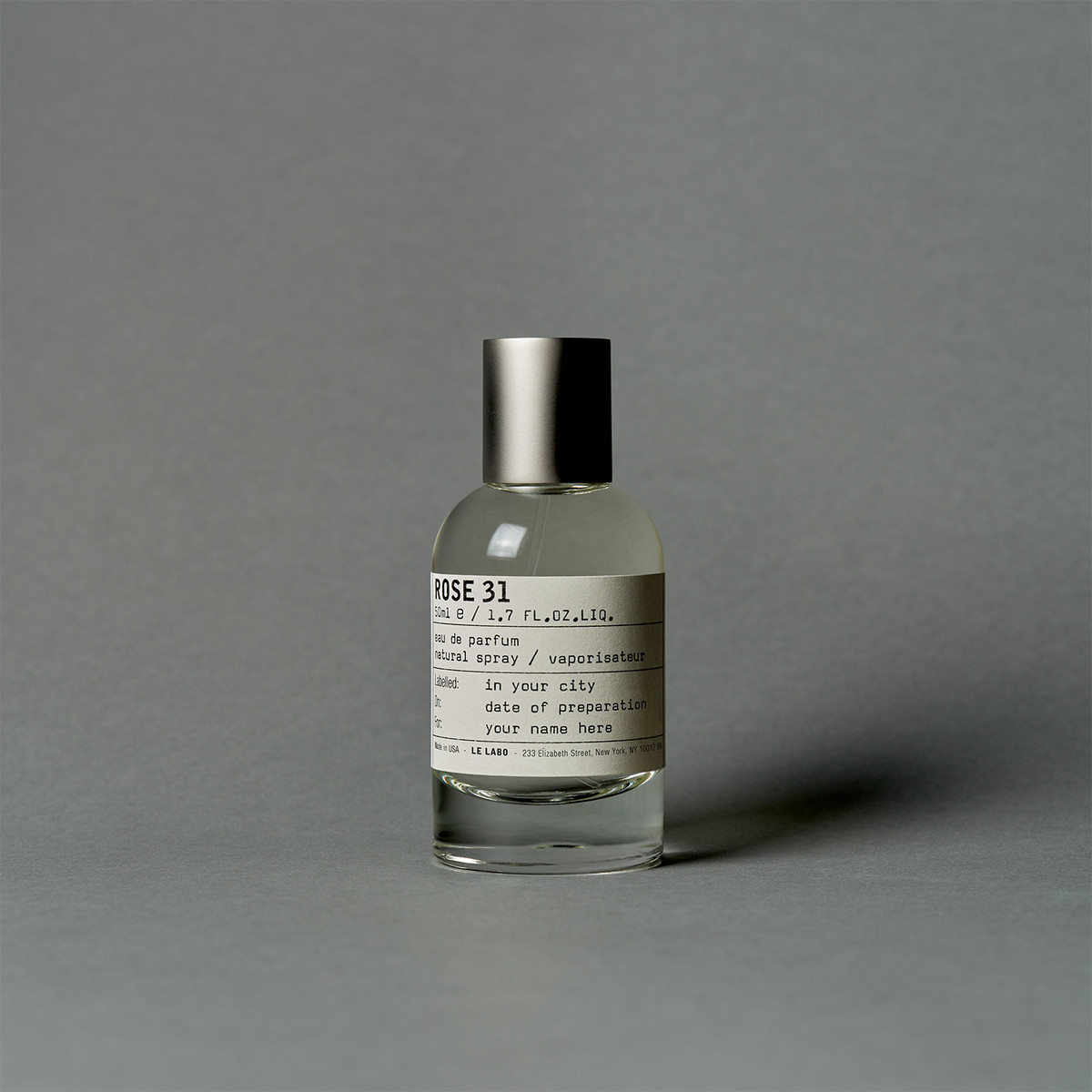
Side by side
Comparing the originals — price, breadth, listed-note depth.
Pink pepper cracks open sharp and almost medicinal before rose lifts in — not powdery or romantic, but clean-stemmed and slightly green. The heart stays cool, the rose kept honest by vetiver's dry, smoky undertow. Cedar arrives in the dry-down to tighten everything into something spare and skin-close. Projection is modest from the start; sillage is a quiet trail rather than a statement. The musk reads as warmth, not sweetness, anchoring the whole thing just above the skin — a fragrance that smells deliberate rather than decorative. — Best for transitional weather and anyone who wants something botanical and restrained without disappearing entirely.
Opens with a sharp, almost savory bite of cumin riding over rose, making it smell more like skin than a flower arrangement — intentional, unsettling, effective. The heart settles into a smoky cedar that pushes the rose into the background, keeping it present but never pretty. Amber and musk anchor the dry-down into something dense and body-warm, with moderate projection that stays close to the skin and leaves a woody, slightly animalic sillage. — Best in cold weather on someone who wants a rose that refuses to be delicate.
How they overlap
Baie Rose 26 and Rose 31 share 3 notes (rose, cedar, musk). The same note name doesn't always mean the same scent — different houses use different vanillas, different woods, different musks — but a multi-note shared spine usually does indicate genuinely-comparable wear character. The remaining notes (2 unique to Baie Rose 26, 2 unique to Rose 31) are where the divergence happens.
The buying decision
Baie Rose 26 is the cheaper original at $198 compared to $245 for Rose 31 — about 19% less. Baie Rose 26 is built for spring/fall; Rose 31 for fall/winter. Pick by when you'd actually wear it.