Bergamote 22 vs Rose 31
Side by side. Scored honestly.
← Compare different fragrances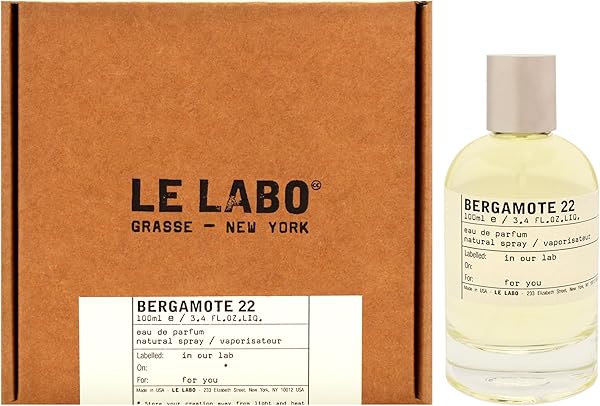
Side by side
Comparing the originals — price, breadth, listed-note depth.
Bright and citrus-forward from the first spray, with bergamot and grapefruit doing the heavy lifting in the opening — clean, slightly tart, unmistakably Mediterranean. Petitgrain and neroli add a green, almost soapy softness through the heart without muddying the clarity. Projection is moderate; this sits close to the skin rather than announcing itself across a room. The dry-down is where it earns its keep: vetiver and cedar give just enough woody depth to keep musk from reading as laundry-detergent bland, landing instead as quiet, skin-warm, and genuinely wearable. — Ideal for warm-weather office wear or low-key social settings where understated grooming matters more than presence.
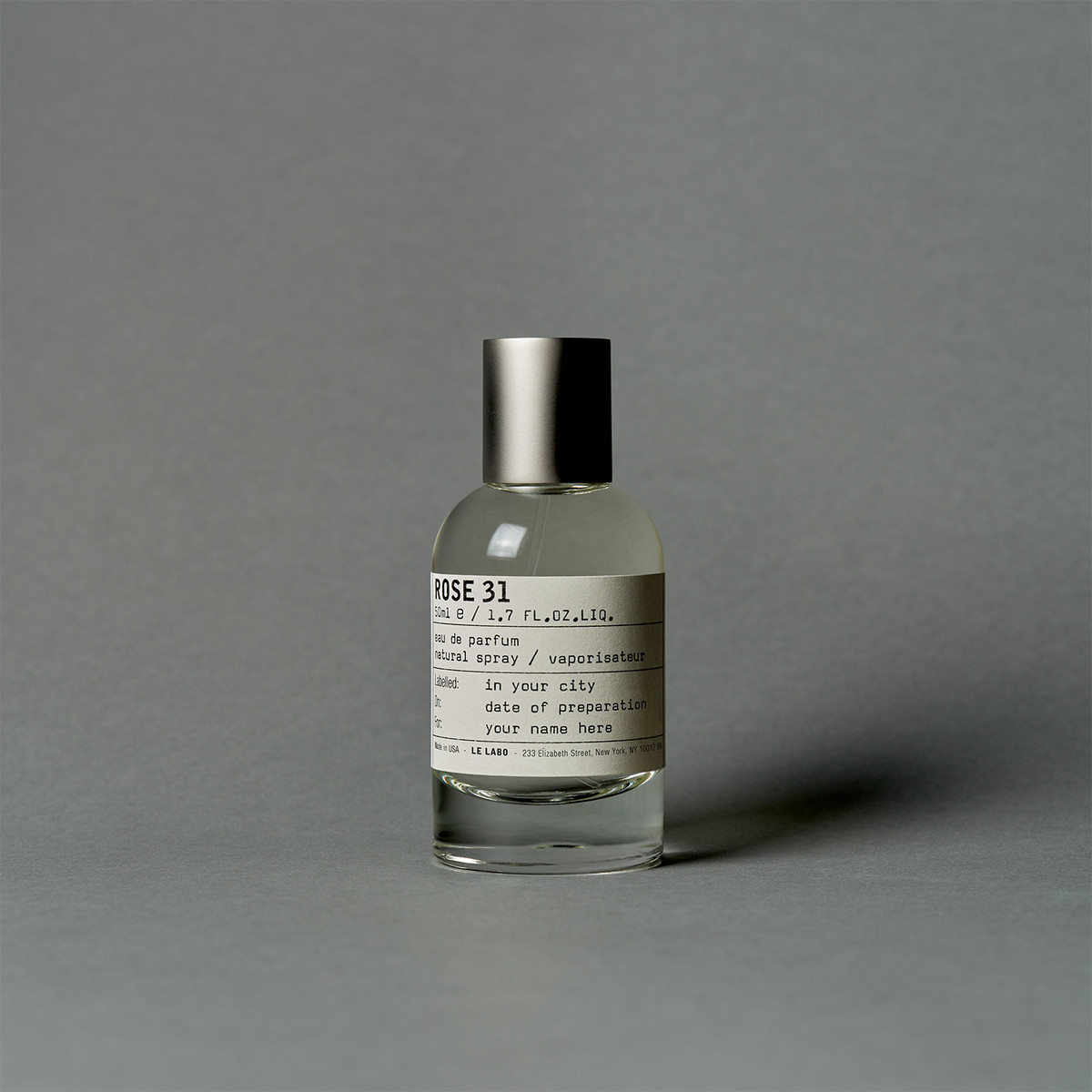
Opens with a sharp, almost savory bite of cumin riding over rose, making it smell more like skin than a flower arrangement — intentional, unsettling, effective. The heart settles into a smoky cedar that pushes the rose into the background, keeping it present but never pretty. Amber and musk anchor the dry-down into something dense and body-warm, with moderate projection that stays close to the skin and leaves a woody, slightly animalic sillage. — Best in cold weather on someone who wants a rose that refuses to be delicate.
How they overlap
Bergamote 22 and Rose 31 share 3 notes (cedar, amber, musk). The same note name doesn't always mean the same scent — different houses use different vanillas, different woods, different musks — but a multi-note shared spine usually does indicate genuinely-comparable wear character. The remaining notes (5 unique to Bergamote 22, 2 unique to Rose 31) are where the divergence happens.
The buying decision
Rose 31 is the cheaper original at $250 compared to $348 for Bergamote 22 — about 28% less. Bergamote 22 is built for spring/summer/fall; Rose 31 for fall/winter. Pick by when you'd actually wear it.
Free: The 30 Best-Tested Dupes Under $40
A community-scored cheat sheet you can download now — 30 designer scents matched for under $40, ranked by accuracy and longevity.