Gaiac 10 vs Rose 31
Side by side. Scored honestly.
← Compare different fragrances
Side by side
Comparing the originals — price, breadth, listed-note depth.
Opens with a sharp bite of pepper that quickly softens into a smoky, resinous guaiac wood — not sweet, not clean, just dry and slightly burnt in the best way. Tea adds a thin, slightly bitter green layer that keeps the heart from going full incense. Cedar steadies the mid-stage, and the musk dry-down is quiet, skin-close, and woody rather than soapy. Projection is moderate; sillage is minimal after the first hour, finishing as a personal, almost meditative skin scent — ideal for cool-weather days when you want something grounded and understated without disappearing entirely.
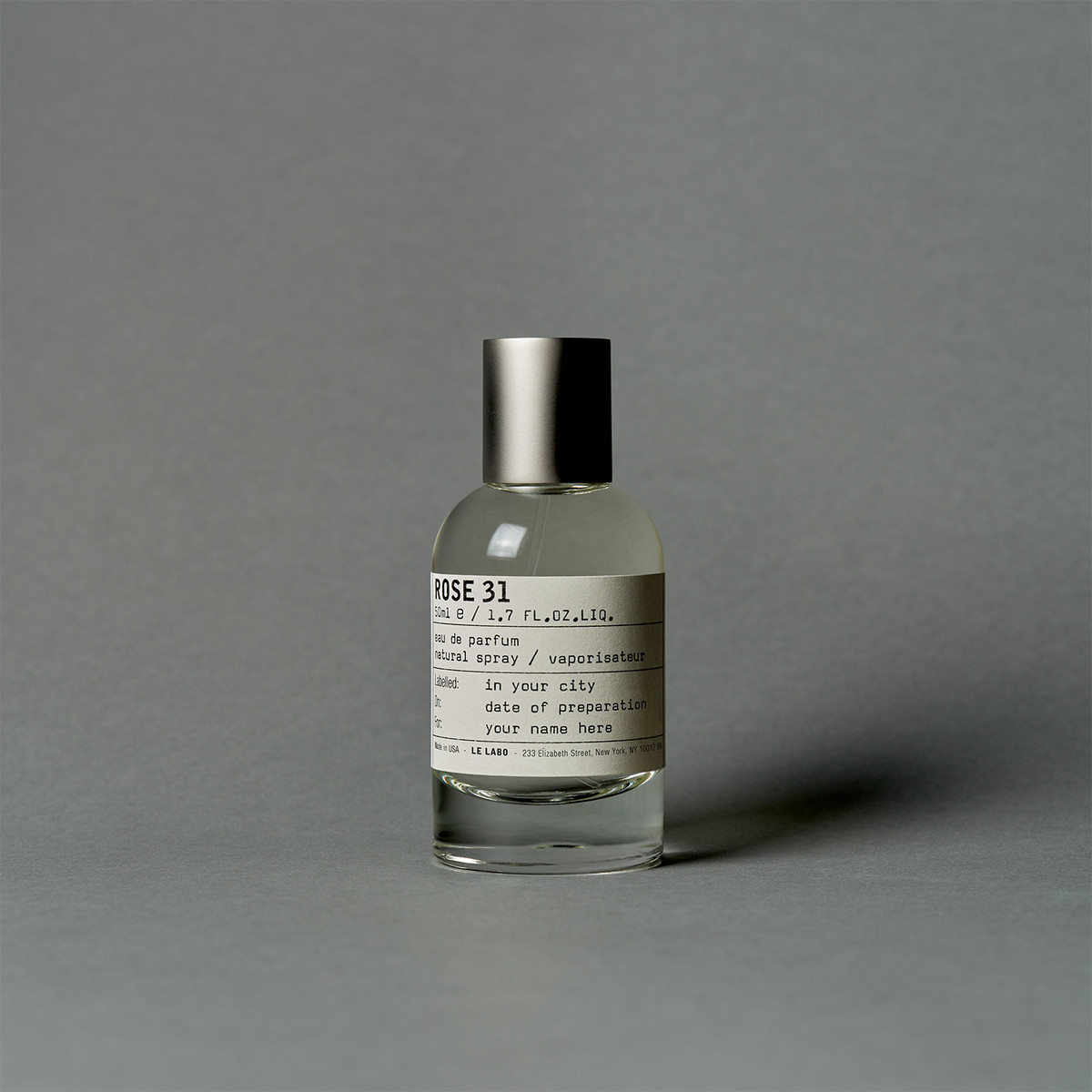
Opens with a sharp, almost savory bite of cumin riding over rose, making it smell more like skin than a flower arrangement — intentional, unsettling, effective. The heart settles into a smoky cedar that pushes the rose into the background, keeping it present but never pretty. Amber and musk anchor the dry-down into something dense and body-warm, with moderate projection that stays close to the skin and leaves a woody, slightly animalic sillage. — Best in cold weather on someone who wants a rose that refuses to be delicate.
How they overlap
Gaiac 10 and Rose 31 share 2 notes (cedar, musk). The same note name doesn't always mean the same scent — different houses use different vanillas, different woods, different musks — but a multi-note shared spine usually does indicate genuinely-comparable wear character. The remaining notes (3 unique to Gaiac 10, 3 unique to Rose 31) are where the divergence happens.
The buying decision
Gaiac 10 is the cheaper original at $198 compared to $245 for Rose 31 — about 19% less. Gaiac 10 is built for fall/spring; Rose 31 for fall/winter. Pick by when you'd actually wear it.