Tubéreuse 40 vs Rose 31
Side by side. Scored honestly.
← Compare different fragrances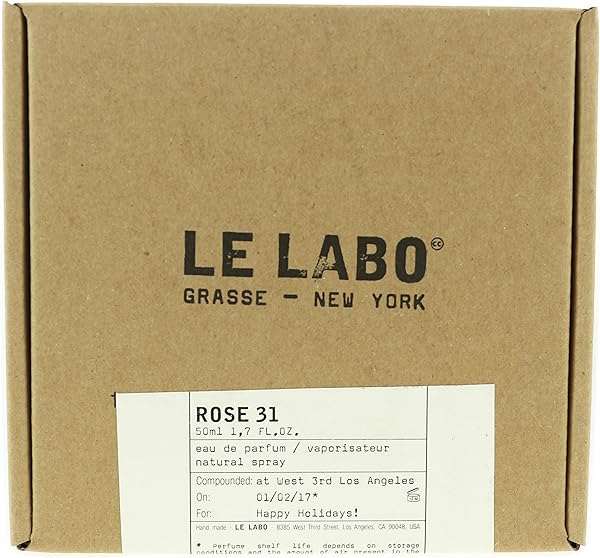
Side by side
Comparing the originals — price, breadth, listed-note depth.
Tuberose upfront and unapologetic in the opening — creamy, slightly rubbery, with jasmine pushing it toward full bloom rather than sweetness. Orange blossom softens the heart without going powdery, keeping the white florals cohesive and skin-close. Projection stays moderate; this isn't a room-announcer but it lingers in your immediate orbit with quiet persistence. The dry-down pulls sandalwood and musk underneath, grounding the flowers in something warm and slightly woody without losing the floral core — it fades slowly and cleanly. — Best worn in warm weather by anyone who wants white florals that read as genuine rather than decorative.
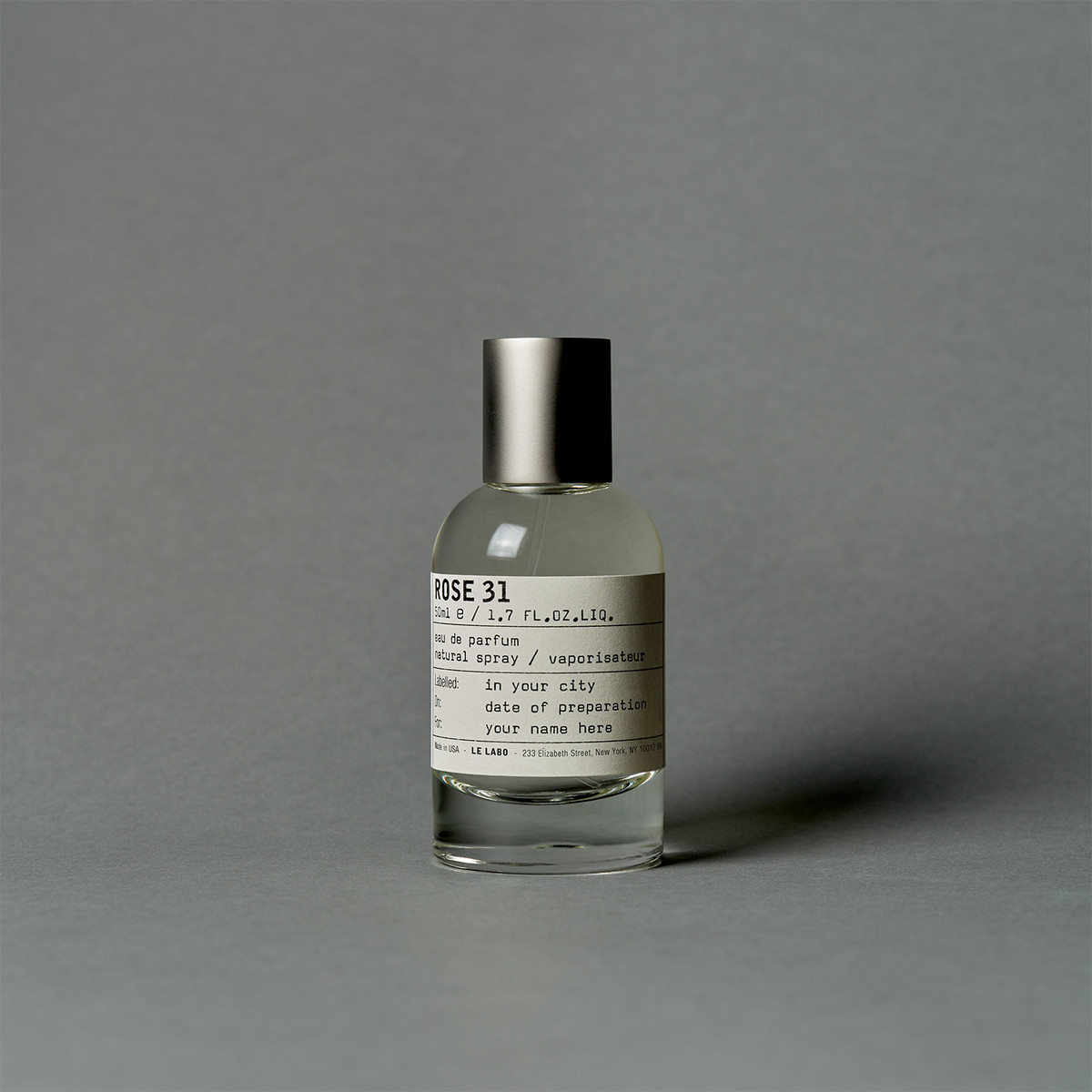
Opens with a sharp, almost savory bite of cumin riding over rose, making it smell more like skin than a flower arrangement — intentional, unsettling, effective. The heart settles into a smoky cedar that pushes the rose into the background, keeping it present but never pretty. Amber and musk anchor the dry-down into something dense and body-warm, with moderate projection that stays close to the skin and leaves a woody, slightly animalic sillage. — Best in cold weather on someone who wants a rose that refuses to be delicate.
How they overlap
Tubéreuse 40 and Rose 31 share exactly one note (musk). The overlap is real but narrow — most of the wear experience will diverge.
The buying decision
Tubéreuse 40 is the cheaper original at $198 compared to $245 for Rose 31 — about 19% less. Tubéreuse 40 is built for spring/summer; Rose 31 for fall/winter. Pick by when you'd actually wear it.