City of Stars vs Sun Song
Side by side. Scored honestly.
← Compare different fragrances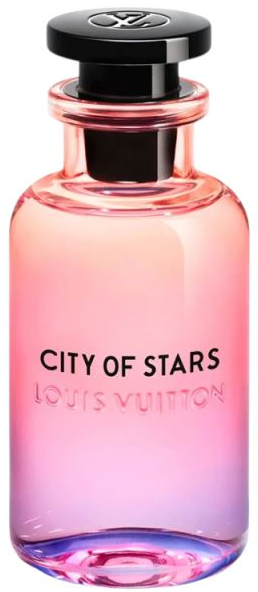
Side by side
Comparing the originals — price, breadth, listed-note depth.
Bergamot opens bright and brief before iris takes over — powdery but not stiff, carrying a faint green violet edge that keeps it from reading purely feminine. The heart is where it earns its reputation: a soft, slightly cool floral with real presence without shouting. The dry-down leans into sandalwood and tonka, warm and lightly sweet, with amber deepening the base into something almost edible. Musk holds it close to skin, making sillage intimate but persistent — this wears longer than it projects. — Best for cooler months, office or evening, anyone drawn to understated powdery-warm florals.
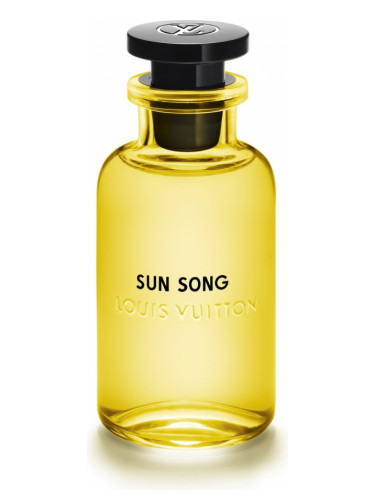
Bright and sun-warmed from the first spray, the opening leans hard into bergamot and lemon — clean, sparkling, slightly tart — before mandarin softens the edges. The heart is where it earns its keep: orange blossom and jasmine read as luminous rather than heady, more warm skin than floral arrangement. Cedar and musk anchor the dry-down to something grounded and skin-close, with modest sillage and a gentle, intimate finish. Projection is polite throughout, fading to a barely-there musky warmth. — Ideal for warm-weather days when you want to smell effortlessly clean and sun-kissed without announcing yourself.
How they overlap
City of Stars and Sun Song share 2 notes (bergamot, musk). The same note name doesn't always mean the same scent — different houses use different vanillas, different woods, different musks — but a multi-note shared spine usually does indicate genuinely-comparable wear character. The remaining notes (5 unique to City of Stars, 5 unique to Sun Song) are where the divergence happens.
The buying decision
Original-bottle pricing is essentially identical ($280 vs $280), so the choice rarely comes down to upfront cost. City of Stars is built for spring/fall/winter; Sun Song for spring/summer. Pick by when you'd actually wear it.
Free: The 30 Best-Tested Dupes Under $40
A community-scored cheat sheet you can download now — 30 designer scents matched for under $40, ranked by accuracy and longevity.