Spell on You vs On the Beach
Side by side. Scored honestly.
← Compare different fragrances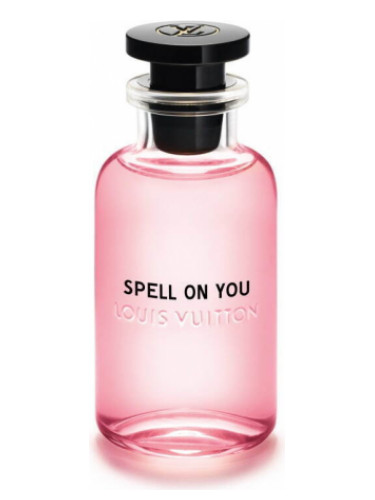
No shared notes — these two land in very different territory.
Side by side
Comparing the originals — price, breadth, listed-note depth.
Opens with a cool, slightly green iris that quickly pulls rose and jasmine into the heart — neither note dominates, keeping the floral accord soft and blurred rather than bold. Acacia adds a faint honeyed sweetness without tipping into gourmand territory, and the violet keeps everything just powdery enough to feel polished. The dry-down settles into white musk that sits close to skin, projecting modestly with light sillage throughout. Sheer and well-behaved, never loud — a warm-weather floral for understated occasions and offices.
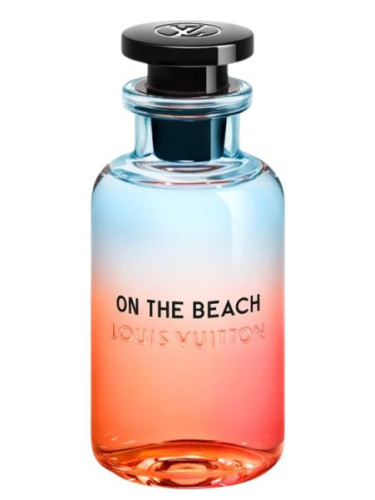
Opens with a bright, slightly tart citrus blast — yuzu and blood orange cutting through neroli's softer floral sweetness before the whole thing pivots toward the coast. Thyme and cypress introduce a dry, herbal salinity that reads as sun-warmed rocks near the water rather than synthetic ocean spray. Pink pepper adds a mild fizz throughout. The dry-down is clean musk with cypress lingering underneath, keeping it grounded rather than soapy. Projection stays polite; sillage is a close, skin-level trail by the second hour — A warm-weather skin scent for anyone who wants coastal without aquatic cliché.
How they overlap
Spell on You and On the Beach share no notes in common — these two fragrances target very different olfactory territory, and the comparison is a question of which direction you want to go rather than which version of the same accord.
The buying decision
On the Beach is the cheaper original at $350 compared to $469 for Spell on You — about 25% less. Both wear best across the same spring/summer — they're interchangeable on weather fit.
Recommendation
If you're price-sensitive, On the Beach delivers comparable territory at $119 less than Spell on You. If you want the specific character of Spell on You — the prose above is the better guide than the price — the premium is what you're paying for.