Stellar Times vs Ombre Nomade
Side by side. Scored honestly.
← Compare different fragrances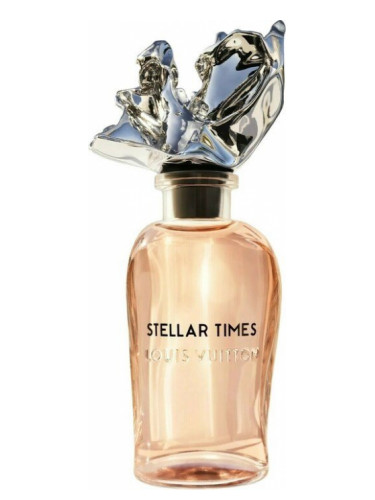
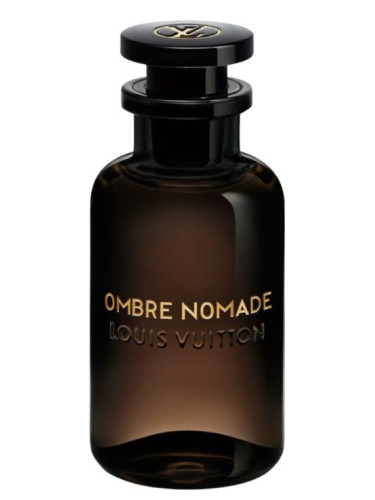
Side by side
Comparing the originals — price, breadth, listed-note depth.
Bergamot and saffron open with a brief, slightly metallic citrus-spice hit before orange blossom takes over — luminous and milky rather than soapy, almost glowing. The heart settles into that orange blossom-and-ambroxan accord that makes the whole thing feel warm and slightly skin-like, never sharp. Sandalwood and benzoin pull it toward a creamy, resinous amber dry-down with just enough Peru-balm sweetness to read gourmand without becoming edible. Projection is moderate; sillage is a close, enveloping cloud that lasts well into the evening — best worn in cool weather by anyone who wants something intimate, polished, and unambiguously luxurious.
Opens with a brief tartness from raspberry before saffron pulls it into warm, slightly medicinal territory. The heart is dense — oud and incense locked together in a smoky, resinous grip that feels genuinely dark without turning harsh. Labdanum and benzoin smooth the dry-down into something almost skin-like, while amberwood adds a soft, woody sweetness underneath. Projection is commanding in the first few hours, then settles into a rich, close-wearing sillage that lingers for the long haul — Made for cold nights, heavy coats, and anyone who wants their fragrance to announce something.
How they overlap
Stellar Times and Ombre Nomade share 2 notes (saffron, benzoin). The same note name doesn't always mean the same scent — different houses use different vanillas, different woods, different musks — but a multi-note shared spine usually does indicate genuinely-comparable wear character. The remaining notes (5 unique to Stellar Times, 5 unique to Ombre Nomade) are where the divergence happens.
The buying decision
Stellar Times is the cheaper original at $420 compared to $460 for Ombre Nomade — about 9% less. Both wear best across the same fall/winter — they're interchangeable on weather fit.