Sun Song vs Ombre Nomade
Side by side. Scored honestly.
← Compare different fragrances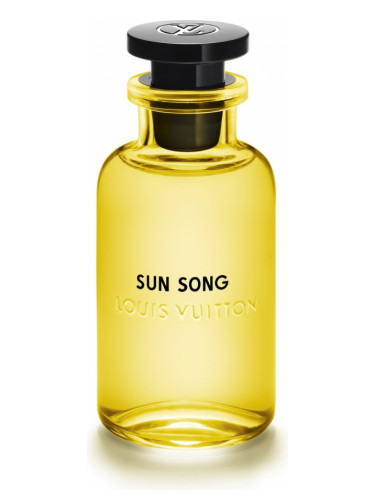
Side by side
Comparing the originals — price, breadth, listed-note depth.
Bright and sun-warmed from the first spray, the opening leans hard into bergamot and lemon — clean, sparkling, slightly tart — before mandarin softens the edges. The heart is where it earns its keep: orange blossom and jasmine read as luminous rather than heady, more warm skin than floral arrangement. Cedar and musk anchor the dry-down to something grounded and skin-close, with modest sillage and a gentle, intimate finish. Projection is polite throughout, fading to a barely-there musky warmth. — Ideal for warm-weather days when you want to smell effortlessly clean and sun-kissed without announcing yourself.
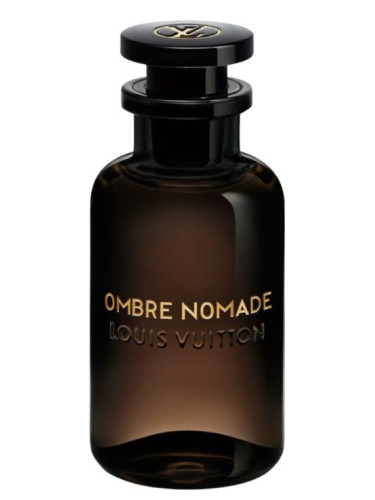
Opens with a brief tartness from raspberry before saffron pulls it into warm, slightly medicinal territory. The heart is dense — oud and incense locked together in a smoky, resinous grip that feels genuinely dark without turning harsh. Labdanum and benzoin smooth the dry-down into something almost skin-like, while amberwood adds a soft, woody sweetness underneath. Projection is commanding in the first few hours, then settles into a rich, close-wearing sillage that lingers for the long haul — Made for cold nights, heavy coats, and anyone who wants their fragrance to announce something.
How they overlap
Sun Song and Ombre Nomade share no notes in common — these two fragrances target very different olfactory territory, and the comparison is a question of which direction you want to go rather than which version of the same accord.
The buying decision
Sun Song is the cheaper original at $280 compared to $460 for Ombre Nomade — about 39% less. Sun Song is built for spring/summer; Ombre Nomade for fall/winter. Pick by when you'd actually wear it.
Recommendation
If you're price-sensitive, Sun Song delivers comparable territory at $180 less than Ombre Nomade. If you want the specific character of Ombre Nomade — the prose above is the better guide than the price — the premium is what you're paying for.