Jasmin Exclusif vs Cedrat Boise
Side by side. Scored honestly.
← Compare different fragrances
Side by side
Comparing the originals — price, breadth, listed-note depth.
Opens with a dense, almost narcotic jasmine that reads more white-floral than green — tuberose amplifies the indolic richness without tipping into soapy territory. Rose softens the heart, lending some refinement to what could otherwise be overwhelming. Projection is confident but not aggressive; this is a fragrance that fills a room rather than attacks it. The dry-down pulls toward warm sandalwood and vanilla, grounding the florals in a creamy, skin-close finish with a musky trail that lingers for hours — best worn on warm evenings or summer nights by someone who prefers florals with real presence over shy, sheer interpretations.
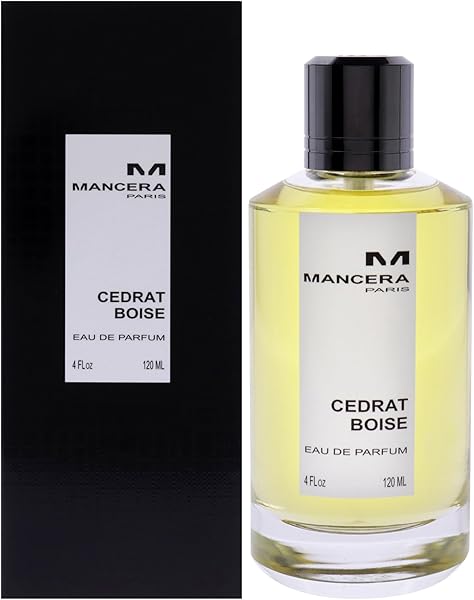
Bergamot and lemon hit hard in the opening — bright, almost metallic citrus with real presence rather than the polite spritz most fresh fragrances offer. Cedar moves in quickly, adding dry woodiness that anchors the citrus before it can fade. The heart settles into a cedar-patchouli pairing that reads slightly smoky and leathered without going dark. Amber and musk in the dry-down soften the whole thing into something warmer and skin-close, with projection that stays noticeable without dominating a room — good sillage, not aggressive. — A daytime crowd-pleaser for someone who wants fresh-woody with enough depth to feel intentional; strongest in spring and fall.
How they overlap
Jasmin Exclusif and Cedrat Boise share exactly one note (musk). The overlap is real but narrow — most of the wear experience will diverge.
The buying decision
Cedrat Boise is the cheaper original at $120 compared to $175 for Jasmin Exclusif — about 31% less. Cedrat Boise covers 3 seasons (spring, summer, fall) — wider weather range than Jasmin Exclusif, which leans spring/summer-only. They sit in different families — Jasmin Exclusif is floral, Cedrat Boise is fresh+woody+gourmand. Comparison is more about preference than tradeoff.