Red Tobacco vs Cedrat Boise
Side by side. Scored honestly.
← Compare different fragrances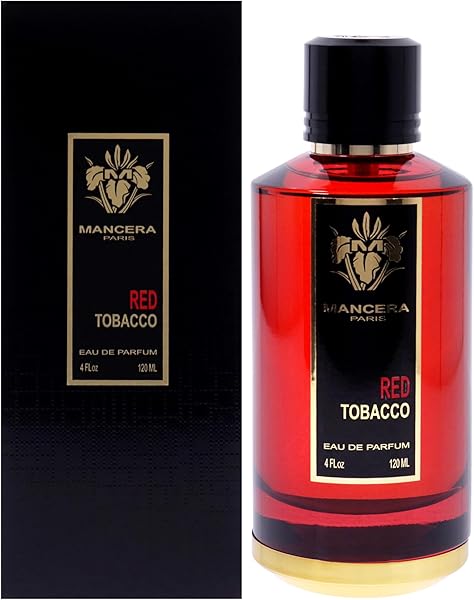
Side by side
Comparing the originals — price, breadth, listed-note depth.
Opens with a punchy, slightly sweet tobacco that smells dry and slightly smoky rather than pipe-pipe creamy. Vanilla and tonka bean arrive quickly in the heart, pulling it gourmand without going candy — the amber keeps things warm and resinous underneath. The leather is present but quiet, more texture than statement. Cedar and sandalwood anchor the dry-down into something genuinely woody and long-lasting, with moderate-to-strong sillage that softens into a close, skin-warming haze by hour four — A cold-weather crowd-pleaser for someone who wants depth without difficulty.
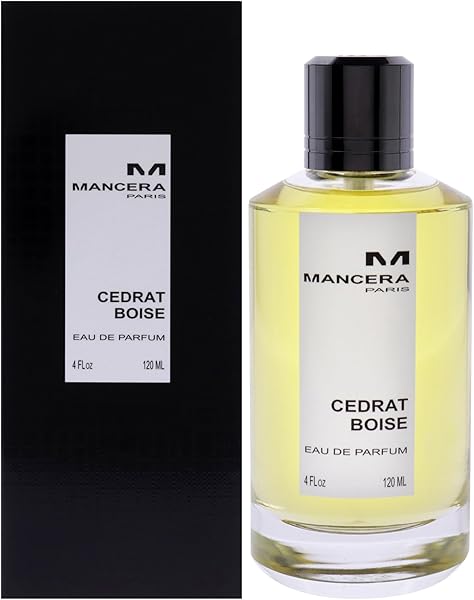
Bergamot and lemon hit hard in the opening — bright, almost metallic citrus with real presence rather than the polite spritz most fresh fragrances offer. Cedar moves in quickly, adding dry woodiness that anchors the citrus before it can fade. The heart settles into a cedar-patchouli pairing that reads slightly smoky and leathered without going dark. Amber and musk in the dry-down soften the whole thing into something warmer and skin-close, with projection that stays noticeable without dominating a room — good sillage, not aggressive. — A daytime crowd-pleaser for someone who wants fresh-woody with enough depth to feel intentional; strongest in spring and fall.
How they overlap
Red Tobacco and Cedrat Boise share 2 notes (cedar, amber). The same note name doesn't always mean the same scent — different houses use different vanillas, different woods, different musks — but a multi-note shared spine usually does indicate genuinely-comparable wear character. The remaining notes (5 unique to Red Tobacco, 4 unique to Cedrat Boise) are where the divergence happens.
The buying decision
Cedrat Boise is the cheaper original at $120 compared to $165 for Red Tobacco — about 27% less. Red Tobacco is built for fall/winter; Cedrat Boise for spring/summer/fall. Pick by when you'd actually wear it.
Free: The 30 Best-Tested Dupes Under $40
A community-scored cheat sheet you can download now — 30 designer scents matched for under $40, ranked by accuracy and longevity.