French Leather vs Irish Leather
Side by side. Scored honestly.
← Compare different fragrances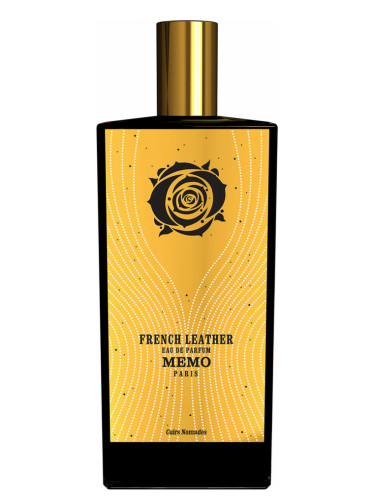

Side by side
Comparing the originals — price, breadth, listed-note depth.
Opens with a sharp, slightly medicinal saffron that softens quickly as iris steps in — powdery but not sweet, with a cool, almost starchy quality that keeps things refined. The leather at the heart is smooth and sueded rather than raw or animalic, reading more like the inside of a luxury glove than a biker jacket. Sandalwood and musk anchor the dry-down into something warm and skin-close, with birch adding a faint smokiness that prevents the whole thing from going too soft. Projection is moderate; sillage lingers politely rather than announcing itself — Fall and winter evenings, best on someone who prefers their leather quiet and expensive.
Opens with a cool, powdery iris that softens the leather rather than fighting it — the violet adds a faint purple-tinged sweetness before the heart settles into a smooth, well-worn hide. Vetiver grounds the mid-stage with an earthy dryness, while oakmoss keeps everything slightly damp and forested. The dry-down is where amber takes over, warming the leather into something almost skin-like. Projection is intimate, sillage modest but persistent — this clings close and lasts. — Best worn fall through winter by anyone who finds standard leather fragrances too harsh and wants something refined and approachable.
How they overlap
French Leather and Irish Leather share 2 notes (leather, iris). The same note name doesn't always mean the same scent — different houses use different vanillas, different woods, different musks — but a multi-note shared spine usually does indicate genuinely-comparable wear character. The remaining notes (6 unique to French Leather, 4 unique to Irish Leather) are where the divergence happens.
The buying decision
Irish Leather is the cheaper original at $295 compared to $335 for French Leather — about 12% less. Both wear best across the same fall/winter — they're interchangeable on weather fit.