Tuberoza vs Ani
Side by side. Scored honestly.
← Compare different fragrances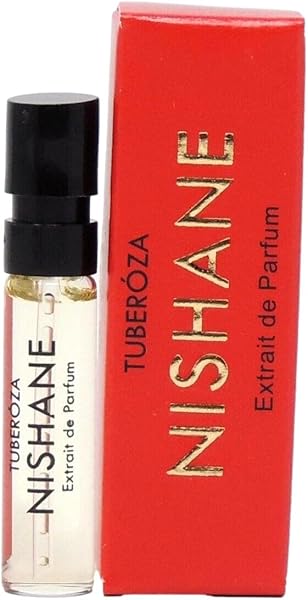

Side by side
Comparing the originals — price, breadth, listed-note depth.
Tuberose leads hard from the opening — white, waxy, and slightly indolic, pushed louder by jasmine and ylang-ylang into something almost aggressively floral. There's a rubbery, almost narcotic edge in the heart that keeps it from reading as simple or sweet. The dry-down softens considerably as sandalwood and vanilla pull it toward a creamy oriental base, with musk extending the sillage into a warm, skin-close finish. Projection is bold for the first two hours, then intimate. — Best worn in warm weather by anyone who wants a full-volume white floral that doesn't apologize for itself.
Opens with a dense, almost edible rush of vanilla and sugar before Turkish rose softens the sweetness into something more complex and worn-skin intimate. Incense arrives in the heart to add smoke and shadow, keeping it from veering fully gourmand, while oud grounds the dry-down with a woody resinous depth that extends the sillage for hours. Projection is bold in the first two hours, then settles into a close, enveloping warmth that lingers without announcing itself — a cold-weather fragrance for anyone who wants something equally sensual and serious.
How they overlap
Tuberoza and Ani share exactly one note (vanilla). The overlap is real but narrow — most of the wear experience will diverge.
The buying decision
Tuberoza is the cheaper original at $195 compared to $265 for Ani — about 26% less. Tuberoza is built for spring/summer; Ani for fall/winter. Pick by when you'd actually wear it.