Megamare vs Terroni
Side by side. Scored honestly.
← Compare different fragrances
Side by side
Comparing the originals — price, breadth, listed-note depth.
Opens with a sharp mineral salt blast — cold, almost metallic — that reads more like wet stone than ocean spray. The seaweed adds genuine marine bitterness without the synthetic aquatic sweetness most beach fragrances lean on. In the heart, driftwood grounds everything, pulling the composition toward something weathered and dry. Ambroxan takes over the dry-down completely, turning oceanic sharpness into a warm skin-musk with serious longevity and moderate-to-loud projection. Sillage is persistent and linear — it doesn't evolve dramatically but doesn't need to — Best worn in warm weather by someone who wants a clean, forceful presence without smelling like a department-store cologne counter.
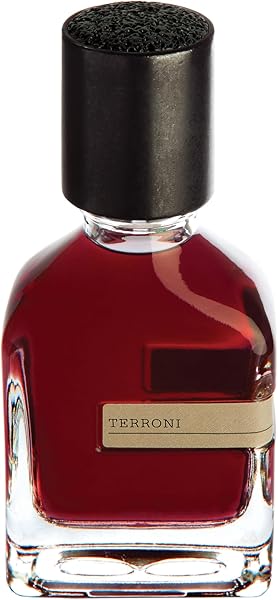
Opens with raw, damp soil and petrichor — genuinely earthy, not the sanitized version — backed immediately by smoky incense that keeps it from smelling like a garden bed. The heart deepens into oud and leather, both handled with restraint, giving it weight without going baroque. Ambroxan anchors the dry-down with a skin-close warmth that extends sillage without shouting. Projection is moderate; this wears like something personal rather than a room announcement — Fall and winter, for someone comfortable smelling like the earth after a storm rather than a cologne counter.
How they overlap
Megamare and Terroni share exactly one note (ambroxan). The overlap is real but narrow — most of the wear experience will diverge.
The buying decision
Terroni is the cheaper original at $295 compared to $315 for Megamare — about 6% less. Megamare is built for spring/summer; Terroni for fall/winter. Pick by when you'd actually wear it.
Free: The 30 Best-Tested Dupes Under $40
A community-scored cheat sheet you can download now — 30 designer scents matched for under $40, ranked by accuracy and longevity.