Althaïr vs Godolphin
Side by side. Scored honestly.
← Compare different fragrances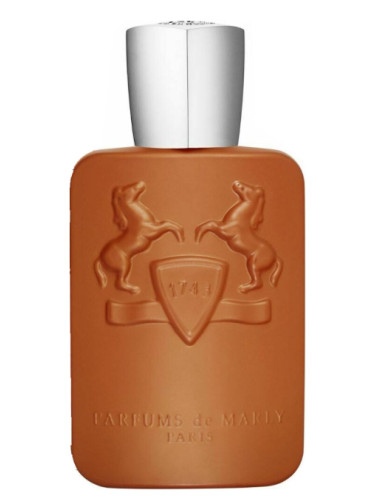

Side by side
Comparing the originals — price, breadth, listed-note depth.
Bergamot opens clean and brief before iris slides in — cool, slightly powdery, rooted rather than floral. The heart is where it earns its keep: oud and labdanum build a resinous, leathery warmth that reads as genuinely luxurious without tipping into medicinal. Vanilla and ambroxan smooth everything into a skin-close musky sweetness on the dry-down, with sandalwood lending quiet creaminess underneath. Projection is moderate and well-mannered; sillage is intimate, not a room-filler — this one works close range. — Cold-weather evenings, boardroom-to-dinner, for someone who wants depth without aggression.
Opens with a crisp bergamot that fades quickly, giving way to a cool, powdery iris that anchors the heart. The oud here is restrained and clean — no smoke, no barnyard — sitting comfortably beneath the iris rather than dominating it. Cedar adds dry structure in the mid-stage, while ambroxan and musk together drive a skin-close, warm dry-down with genuine staying power. Projection is moderate; sillage lingers softly without demanding attention — best worn in cool weather by someone who prefers quiet sophistication over loud statement-making.
How they overlap
Althaïr and Godolphin share 4 notes (bergamot, iris, oud, ambroxan). The same note name doesn't always mean the same scent — different houses use different vanillas, different woods, different musks — but a multi-note shared spine usually does indicate genuinely-comparable wear character. The remaining notes (3 unique to Althaïr, 2 unique to Godolphin) are where the divergence happens.
The buying decision
Godolphin is the cheaper original at $280 compared to $295 for Althaïr — about 5% less. Both wear best across the same fall/winter — they're interchangeable on weather fit.
Free: The 30 Best-Tested Dupes Under $40
A community-scored cheat sheet you can download now — 30 designer scents matched for under $40, ranked by accuracy and longevity.