Habdan vs Delina
Side by side. Scored honestly.
← Compare different fragrances
Side by side
Comparing the originals — price, breadth, listed-note depth.
Saffron opens sharp and slightly medicinal, cutting through an immediate wave of rose that reads more dusty than fresh — this is not a romantic floral. The oud arrives quickly and stays prominent through the heart, dense and resinous without going barnyard. Sandalwood softens the middle, and vanilla anchors a dry-down that is warm, smoky, and genuinely long-lasting. Projection is moderate to strong in the first few hours, settling into a close, skin-hugging sillage by evening — a serious, uncompromising skin scent with real staying power. — Best worn on cold nights out or in formal evening settings; suits anyone who wants presence without sweetness.
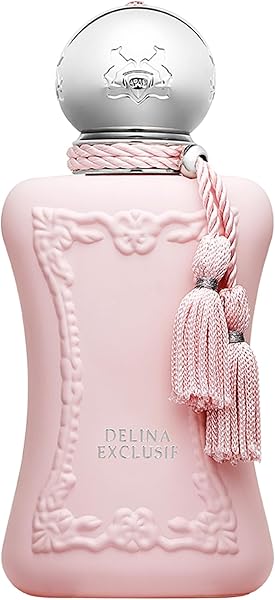
Opens with a sharp, slightly sour rhubarb and bergamot that keeps the lychee from reading as candy — tart and bright rather than sweet. The heart is unmistakably rose, but the lychee wraps around it in a way that feels watery and cool rather than fruity-heavy. Dry-down softens into vanilla-warmed white musk with real staying power; sillage is moderate and close-wearing rather than a room-filler. Nothing challenging or complex here — it's polished, pretty, and effortlessly wearable. — Spring and early fall, office to dinner, women who want a crowd-pleasing floral without smelling generic.
How they overlap
Habdan and Delina share exactly one note (vanilla). The overlap is real but narrow — most of the wear experience will diverge.
The buying decision
Habdan is the cheaper original at $335 compared to $345 for Delina — about 3% less. Habdan is built for fall/winter; Delina for spring/summer/fall. Pick by when you'd actually wear it. They sit in different families — Habdan is oriental+woody, Delina is floral+fresh+gourmand. Comparison is more about preference than tradeoff.