Endymion vs Lavendula
Side by side. Scored honestly.
← Compare different fragrances
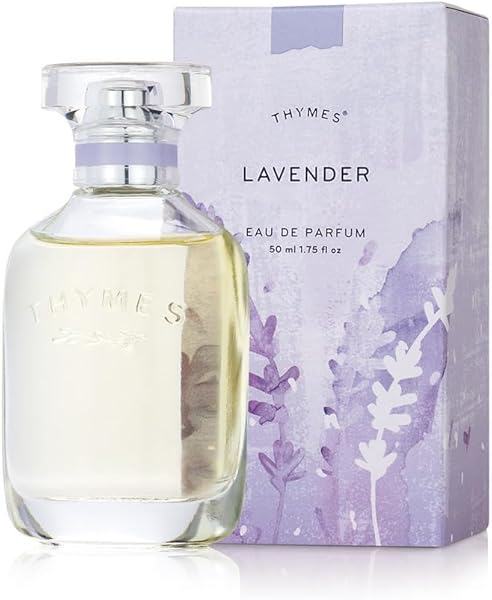
Side by side
Comparing the originals — price, breadth, listed-note depth.
Bergamot and cardamom open with clean, slightly spiced brightness before lavender takes over and pulls everything toward a classic barbershop-adjacent territory — but iris keeps it from going stale, adding a cool, powdery depth that reads more modern than retro. The tonka and amber dry-down is warm and smooth without turning gourmand or heavy, while musk holds the whole thing close to skin. Projection is moderate and sillage is polished rather than loud, settling into a refined, barely-there warmth by the final hours — A quiet office and dinner-table fragrance for cooler months, best on someone who leans toward understated elegance over statement-making.
Bergamot and lemon hit first — sharp, almost soapy clean — before lavender takes over fully in the heart, herbal and slightly medicinal rather than sweet or powdery. Geranium keeps things from going flat, adding a faintly rosy, green edge that sits alongside the lavender rather than fighting it. The dry-down is quiet: sandalwood and musk soften everything into a warm, understated base with modest sillage and close projection. It wears like a well-ironed shirt — precise, unfussy, composed — Ideal for office wear or warm-weather days when you want presence without performance.
How they overlap
Endymion and Lavendula share 3 notes (lavender, bergamot, musk). The same note name doesn't always mean the same scent — different houses use different vanillas, different woods, different musks — but a multi-note shared spine usually does indicate genuinely-comparable wear character. The remaining notes (4 unique to Endymion, 3 unique to Lavendula) are where the divergence happens.
The buying decision
Lavendula is the cheaper original at $95 compared to $185 for Endymion — about 49% less.