Quercus vs Halfeti
Side by side. Scored honestly.
← Compare different fragrances
Side by side
Comparing the originals — price, breadth, listed-note depth.
Opens with a sharp, clean burst of lavender cut through by herbal geranium — bright but not sweet. Within minutes it settles into its real identity: a cool, mossy green heart where oakmoss does the heavy lifting, lending that classic fougère dampness without going musty. Cedarwood and vetiver anchor the dry-down into dry, woody earth, while a restrained musk keeps the whole thing close to skin. Projection is moderate, sillage polite rather than assertive — a fragrance that works with you, not ahead of you — Ideal for warmer months, office or outdoor wear, suited to men who prefer understated green classics over modern sweet-woods.
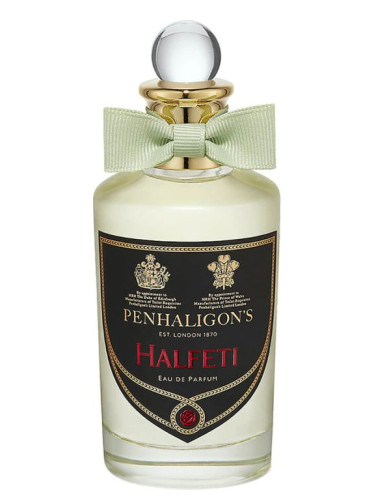
Opens with a dark, spiced rose — saffron doing most of the heavy lifting, pushing the floral into something smoky and edible before cedar and leather pull it toward drier territory. The oud here is restrained, more structural than medicinal, giving the heart real depth without going full resinous. Dry-down is where it earns its price: musk and leather settle into a close, intimate trail that lasts for hours. Projection is moderate, sillage refined rather than aggressive — — Fall and winter evenings, formal or date-night, for anyone who wants a serious oriental without shouting it.
How they overlap
Quercus and Halfeti share exactly one note (musk). The overlap is real but narrow — most of the wear experience will diverge.
The buying decision
Quercus is the cheaper original at $175 compared to $265 for Halfeti — about 34% less. Quercus is built for spring/summer; Halfeti for fall/winter. Pick by when you'd actually wear it.