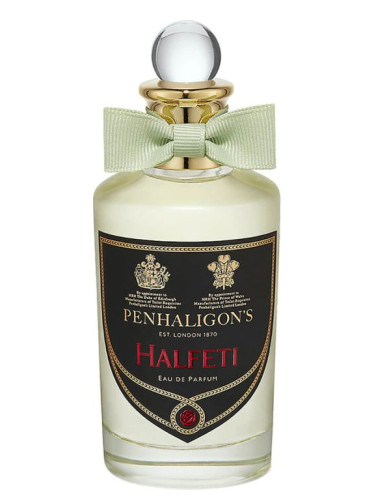
The Tragedy of Lord George vs Halfeti
Side by side. Scored honestly.
← Compare different fragrances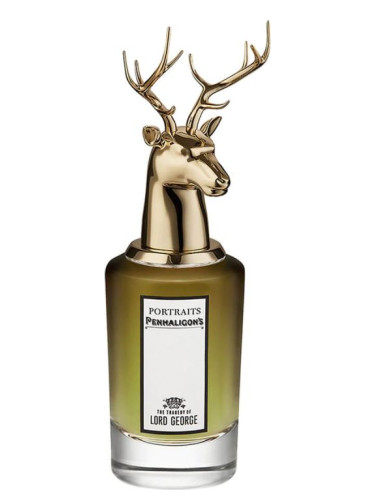
Side by side
Comparing the originals — price, breadth, listed-note depth.
Opens with a boozy, slightly sharp rum that softens quickly into a rich, nutty heart — hazelnut and tonka bean layered over sweet vanilla, with tobacco adding dry smokiness that keeps the sweetness grounded. Sage cuts through just enough to prevent it from tipping into dessert territory. The dry-down is warm leather and vanilla lingering close to the skin, intimate rather than loud. Projection is moderate; sillage is a comfortable personal cloud. Complexity is the differentiator here — the notes genuinely interact rather than stack flatly — Best worn on cold evenings by someone who wants to smell expensive without announcing it from across the room.
Opens with a dark, spiced rose — saffron doing most of the heavy lifting, pushing the floral into something smoky and edible before cedar and leather pull it toward drier territory. The oud here is restrained, more structural than medicinal, giving the heart real depth without going full resinous. Dry-down is where it earns its price: musk and leather settle into a close, intimate trail that lasts for hours. Projection is moderate, sillage refined rather than aggressive — — Fall and winter evenings, formal or date-night, for anyone who wants a serious oriental without shouting it.
How they overlap
The Tragedy of Lord George and Halfeti share exactly one note (leather). The overlap is real but narrow — most of the wear experience will diverge.
The buying decision
Original-bottle pricing is essentially identical ($265 vs $265), so the choice rarely comes down to upfront cost. Both wear best across the same fall/winter — they're interchangeable on weather fit.
Free: The 30 Best-Tested Dupes Under $40
A community-scored cheat sheet you can download now — 30 designer scents matched for under $40, ranked by accuracy and longevity.