Heavy Cream vs Vanilla Skin
Side by side. Scored honestly.
← Compare different fragrances
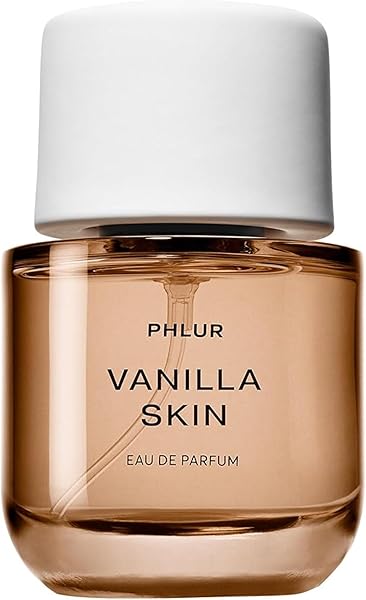
Side by side
Comparing the originals — price, breadth, listed-note depth.
Opens with a warm, almost edible pour of milk and coconut — sweet but not cloying, closer to scalded cream than a dessert. Vanilla and heliotrope fill the heart with a soft floral-gourmand body, while orris adds a faint powdery coolness that keeps it from reading as purely edible. The dry-down is where sandalwood and musk take over, settling into a skin-close, woodsy warmth with very low projection and intimate sillage. It doesn't announce itself — it lingers quietly on whoever leans in — Fall and winter evenings, for anyone who wants their fragrance to feel like a second skin rather than a statement.
Soft and skin-close from the first spray, vanilla opens with a warmth that reads more like heated skin than bakery sweetness. The heart layers sandalwood underneath in a way that keeps the vanilla grounded and slightly woody rather than cloying. Cashmeran and musk push the dry-down into pure second-skin territory — low projection, almost no sillage, just a quiet amber-warmed haze that clings for hours. Longevity is moderate; reapply if you need presence beyond a few hours — best worn in fall and winter for nights in or quiet intimacy, ideal for anyone who wants to smell like a warmer version of themselves.
How they overlap
Heavy Cream and Vanilla Skin share 3 notes (vanilla, sandalwood, musk). The same note name doesn't always mean the same scent — different houses use different vanillas, different woods, different musks — but a multi-note shared spine usually does indicate genuinely-comparable wear character. The remaining notes (4 unique to Heavy Cream, 2 unique to Vanilla Skin) are where the divergence happens.
The buying decision
Original-bottle pricing is essentially identical ($96 vs $96), so the choice rarely comes down to upfront cost. Both wear best across the same fall/winter — they're interchangeable on weather fit.