Vanilla Skin vs Missing Person
Side by side. Scored honestly.
← Compare different fragrances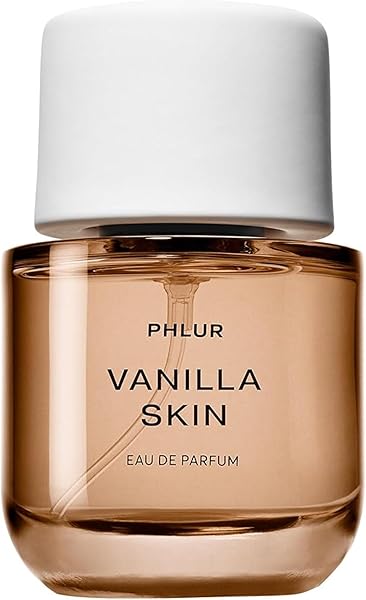

Side by side
Comparing the originals — price, breadth, listed-note depth.
Soft and skin-close from the first spray, vanilla opens with a warmth that reads more like heated skin than bakery sweetness. The heart layers sandalwood underneath in a way that keeps the vanilla grounded and slightly woody rather than cloying. Cashmeran and musk push the dry-down into pure second-skin territory — low projection, almost no sillage, just a quiet amber-warmed haze that clings for hours. Longevity is moderate; reapply if you need presence beyond a few hours — best worn in fall and winter for nights in or quiet intimacy, ideal for anyone who wants to smell like a warmer version of themselves.
Opens with a luminous neroli — bright, slightly bitter citrus-floral — that softens quickly as muguet pulls it toward a clean, dewy heart. The skin musk and ambrette do the heavy lifting through the dry-down, creating that barely-there warmth that reads as a better version of your own skin rather than a recognizable perfume. Sandalwood and white cedar ground everything without announcing themselves; projection stays intimate, sillage is a ghost trail at best. Transparent and addictive in its restraint — best worn close to the skin in warm weather or whenever you want to smell like yourself, only better.
How they overlap
Vanilla Skin and Missing Person share exactly one note (sandalwood). The overlap is real but narrow — most of the wear experience will diverge.
The buying decision
Missing Person is the cheaper original at $88 compared to $96 for Vanilla Skin — about 8% less. Vanilla Skin is built for fall/winter; Missing Person for spring/summer/fall. Pick by when you'd actually wear it.
Free: The 30 Best-Tested Dupes Under $40
A community-scored cheat sheet you can download now — 30 designer scents matched for under $40, ranked by accuracy and longevity.