Amber Pour Homme vs Luna Rossa Black
Side by side. Scored honestly.
← Compare different fragrances
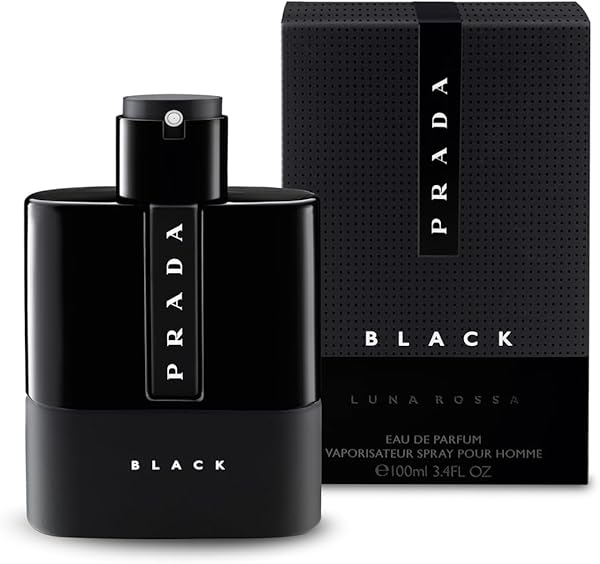
Side by side
Comparing the originals — price, breadth, listed-note depth.
Neroli and bergamot open clean and lightly citrus-bright, but they fade fast — within twenty minutes, the labdanum and patchouli take over and the whole thing shifts into a warm, slightly powdery amber resin that anchors everything. The leather here is soft and subtle, never harsh, just enough to keep the vanilla and sandalwood from reading as sweet or feminine. Projection is moderate and polished; sillage lingers close and smooth rather than broadcasting. The dry-down is long, woody-ambery, and genuinely skin-like — Masculine, grown-up, cold-weather office or evening wear.
Bergamot opens with a clean citrus spark that fades quickly, making way for the real story: coumarin in the heart, dense and tonka-like, with a slight powdery sweetness that reads more sophisticated than sugary. Patchouli grounds it without going earthy — it stays smooth, almost leathery — while amber and musk push a warm, skin-close dry-down that lingers for hours. Projection is moderate, sillage intimate, the kind of trail that rewards closeness rather than announcing a room — cold-weather evenings out, best on confident wearers who prefer depth over loudness.
How they overlap
Amber Pour Homme and Luna Rossa Black share 2 notes (bergamot, patchouli). The same note name doesn't always mean the same scent — different houses use different vanillas, different woods, different musks — but a multi-note shared spine usually does indicate genuinely-comparable wear character. The remaining notes (5 unique to Amber Pour Homme, 3 unique to Luna Rossa Black) are where the divergence happens.
The buying decision
Luna Rossa Black is the cheaper original at $125 compared to $150 for Amber Pour Homme — about 17% less. Both wear best across the same fall/winter — they're interchangeable on weather fit.