Candy vs Luna Rossa Black
Side by side. Scored honestly.
← Compare different fragrances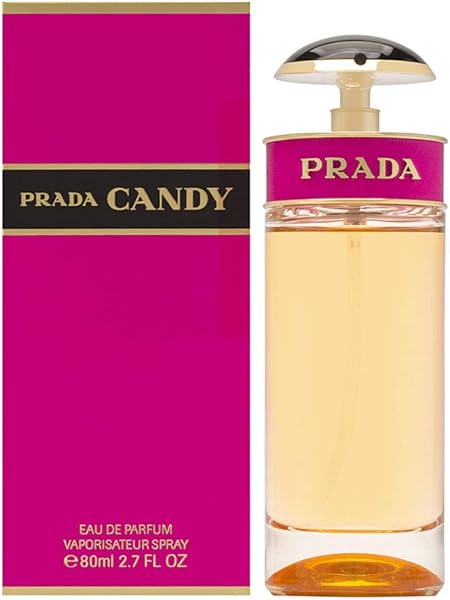
Side by side
Comparing the originals — price, breadth, listed-note depth.
Opens with a sharp, almost synthetic caramel that softens quickly as the benzoin pulls it into warmer, resinous territory. The heart settles into a powdery vanilla-musk accord that reads more skin-close than gourmand — less dessert, more lipstick-and-warmth. Dry-down projection is moderate, with a soft, persistent sillage that clings rather than announces. The musk anchors everything, keeping it wearable without tipping into cloying. Powdery and smooth, with genuine staying power on fabric — A cold-weather signature for someone who wants sweet without smelling edible.
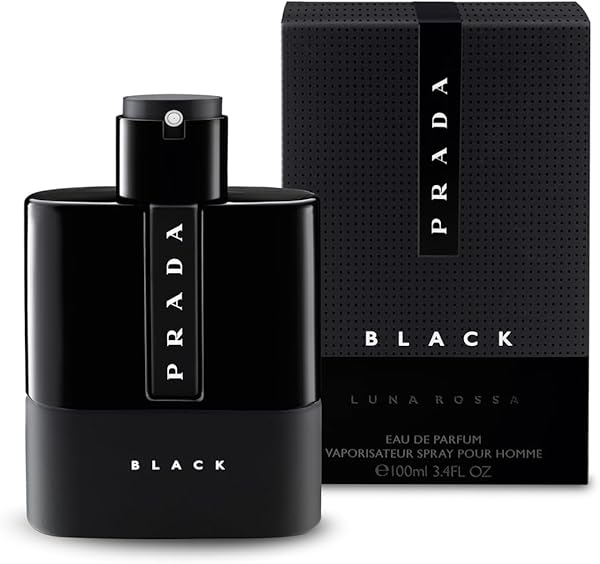
Bergamot opens with a clean citrus spark that fades quickly, making way for the real story: coumarin in the heart, dense and tonka-like, with a slight powdery sweetness that reads more sophisticated than sugary. Patchouli grounds it without going earthy — it stays smooth, almost leathery — while amber and musk push a warm, skin-close dry-down that lingers for hours. Projection is moderate, sillage intimate, the kind of trail that rewards closeness rather than announcing a room — cold-weather evenings out, best on confident wearers who prefer depth over loudness.
How they overlap
Candy and Luna Rossa Black share exactly one note (musk). The overlap is real but narrow — most of the wear experience will diverge.
The buying decision
Original-bottle pricing is essentially identical ($125 vs $125), so the choice rarely comes down to upfront cost. Both wear best across the same fall/winter — they're interchangeable on weather fit. Heads up: Candy is marketed feminine, Luna Rossa Black is marketed masculine — they target different wearers, though plenty of buyers cross those lines.
Free: The 30 Best-Tested Dupes Under $40
A community-scored cheat sheet you can download now — 30 designer scents matched for under $40, ranked by accuracy and longevity.