Luna Rossa Carbon vs Luna Rossa Black
Side by side. Scored honestly.
← Compare different fragrances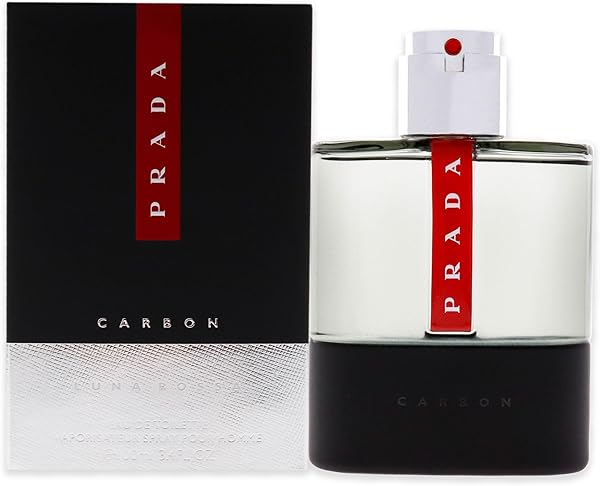
Side by side
Comparing the originals — price, breadth, listed-note depth.
Opens with a sharp bergamot-lavender blast that reads more metallic and cold than floral, thanks to the carbon accord pressing everything toward a clean, industrial edge. The heart settles into a dry iris-coumarin sweetness that keeps it from feeling purely functional, while cypriol adds a faint smoky grain underneath. The dry-down is ambroxide-forward — smooth, skin-close, and gently woody from the patchouli without ever going dark. Projection is moderate; sillage is clean and intimate rather than loud — best worn spring through fall by someone who wants polished and effortless over complex or challenging.
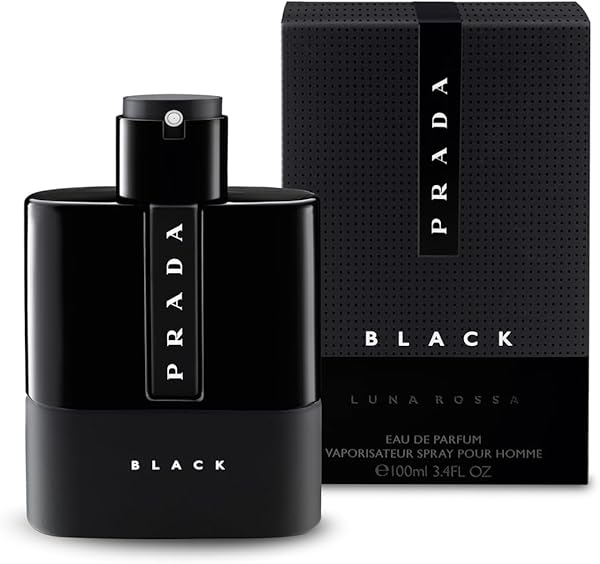
Bergamot opens with a clean citrus spark that fades quickly, making way for the real story: coumarin in the heart, dense and tonka-like, with a slight powdery sweetness that reads more sophisticated than sugary. Patchouli grounds it without going earthy — it stays smooth, almost leathery — while amber and musk push a warm, skin-close dry-down that lingers for hours. Projection is moderate, sillage intimate, the kind of trail that rewards closeness rather than announcing a room — cold-weather evenings out, best on confident wearers who prefer depth over loudness.
How they overlap
Luna Rossa Carbon and Luna Rossa Black share 3 notes (bergamot, coumarin, patchouli). The same note name doesn't always mean the same scent — different houses use different vanillas, different woods, different musks — but a multi-note shared spine usually does indicate genuinely-comparable wear character. The remaining notes (5 unique to Luna Rossa Carbon, 2 unique to Luna Rossa Black) are where the divergence happens.
The buying decision
Luna Rossa Carbon is the cheaper original at $110 compared to $125 for Luna Rossa Black — about 12% less. Luna Rossa Carbon is built for spring/summer/fall; Luna Rossa Black for fall/winter. Pick by when you'd actually wear it.