Luna Rossa vs Luna Rossa Black
Side by side. Scored honestly.
← Compare different fragrances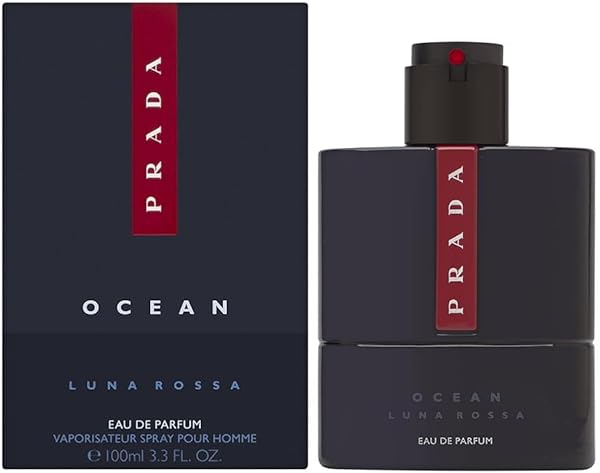
Side by side
Comparing the originals — price, breadth, listed-note depth.
Opens with a sharp, almost medicinal lavender-sage combo that reads more athletic than floral — clean and slightly herbal with real bite. The heart softens as iris steps in, adding a powdery, rooty coolness that keeps it from smelling like a soap bar. Labdanum and ambrette ease the dry-down into a musky, slightly animalic warmth, with patchouli staying restrained enough to add depth without going dark. Projection is moderate, sillage is polite — a skin-close finish. — Best in spring and early summer for someone who wants a fresh masculine with actual structure beneath the clean.
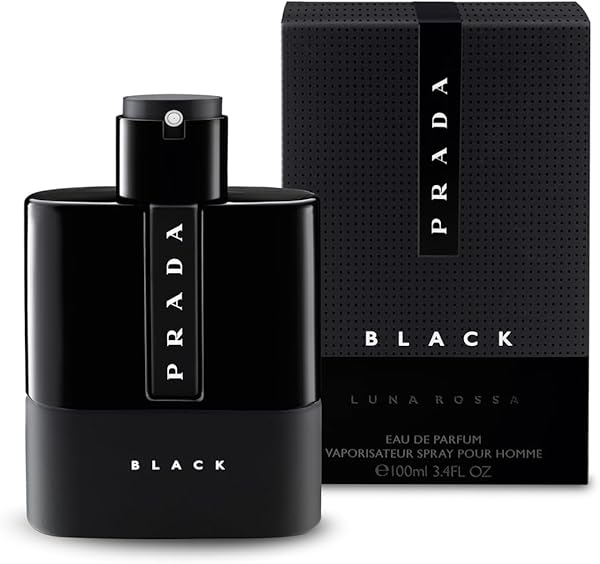
Bergamot opens with a clean citrus spark that fades quickly, making way for the real story: coumarin in the heart, dense and tonka-like, with a slight powdery sweetness that reads more sophisticated than sugary. Patchouli grounds it without going earthy — it stays smooth, almost leathery — while amber and musk push a warm, skin-close dry-down that lingers for hours. Projection is moderate, sillage intimate, the kind of trail that rewards closeness rather than announcing a room — cold-weather evenings out, best on confident wearers who prefer depth over loudness.
How they overlap
Luna Rossa and Luna Rossa Black share exactly one note (patchouli). The overlap is real but narrow — most of the wear experience will diverge.
The buying decision
Luna Rossa Black is the cheaper original at $125 compared to $130 for Luna Rossa — about 4% less. Luna Rossa is built for spring/summer; Luna Rossa Black for fall/winter. Pick by when you'd actually wear it.
Free: The 30 Best-Tested Dupes Under $40
A community-scored cheat sheet you can download now — 30 designer scents matched for under $40, ranked by accuracy and longevity.