Polo Black vs Polo Red
Side by side. Scored honestly.
← Compare different fragrances
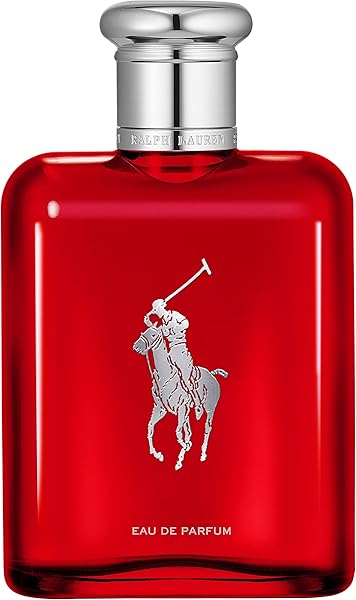
Side by side
Comparing the originals — price, breadth, listed-note depth.
Opens with a sharp mango-lemon burst that smells more synthetic-tropical than fresh fruit, then tarragon and sage push it into a cool, slightly herbal direction that keeps it from reading as straight gourmand. The heart settles into silver fir giving it a clean, almost ozonic woody backbone. Dry-down is where it earns its reputation: patchouli and tonka bean merge into a smooth, slightly sweet darkness with decent sillage and moderate projection that holds for four to six hours. Not complex, but it executes its lane cleanly — made for warm-weather evenings and younger guys who want something polished without being stuffy.
Opens with a sharp citrus burst — lemon and grapefruit cut with tart cranberry that reads almost candied but stops short. The heart is where it gets interesting: sage keeps the coffee and saffron grounded, preventing a full gourmand slide into sweetness. The dry-down settles into warm cedar and amber with a musk that holds moderate sillage without shouting. Projection is confident but never aggressive, making it genuinely wearable across temperature shifts — a casual-to-smart casual option for younger guys navigating warmer months.
How they overlap
Polo Black and Polo Red share 2 notes (lemon, sage). The same note name doesn't always mean the same scent — different houses use different vanillas, different woods, different musks — but a multi-note shared spine usually does indicate genuinely-comparable wear character. The remaining notes (5 unique to Polo Black, 7 unique to Polo Red) are where the divergence happens.
The buying decision
Original-bottle pricing is essentially identical ($75 vs $75), so the choice rarely comes down to upfront cost. Both wear best across the same spring/summer/fall — they're interchangeable on weather fit.
Free: The 30 Best-Tested Dupes Under $40
A community-scored cheat sheet you can download now — 30 designer scents matched for under $40, ranked by accuracy and longevity.