Costa Azzurra vs Italian Cypress
Side by side. Scored honestly.
← Compare different fragrances
Side by side
Comparing the originals — price, breadth, listed-note depth.
Opens with a bright, slightly bitter bergamot cut through by neroli's clean, faintly soapy citrus — together they read as sunlit Mediterranean air rather than fruit bowl. The heart is where ambroxan takes over, delivering that warm, skin-close, slightly mineral depth that's become a signature of modern woody aquatics. Cedar grounds it without going sharp or dry. Sillage is moderate; it sits close to the skin by mid-wear, projecting softly rather than announcing itself. The dry-down is smooth, musky, and genuinely pleasant for hours — Easy, warm-weather skin scent for someone who wants effortless rather than complex.
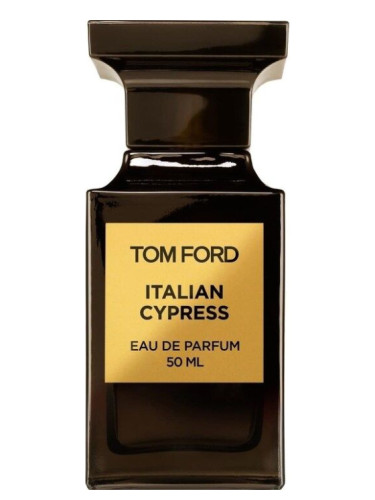
Opens with a sharp, resinous cypress that reads almost medicinal — green and slightly bitter, lifted by a clean bergamot that keeps it from going dark. The galbanum adds a cool, waxy edge in the heart, reinforcing that dry, almost cold-air quality. As it settles, cedarwood and amber smooth things out considerably, pushing it toward a warm, woody softness without losing the evergreen backbone. Projection is moderate, sillage stays close after a few hours, and the dry-down is quietly resinous. — Best worn in cool weather by anyone who prefers their woods spare and austere rather than sweet.
How they overlap
Costa Azzurra and Italian Cypress share exactly one note (bergamot). The overlap is real but narrow — most of the wear experience will diverge.
The buying decision
Italian Cypress is the cheaper original at $325 compared to $365 for Costa Azzurra — about 11% less. Costa Azzurra covers 3 seasons (spring, summer, fall) — wider weather range than Italian Cypress, which leans spring/fall-only.
Free: The 30 Best-Tested Dupes Under $40
A community-scored cheat sheet you can download now — 30 designer scents matched for under $40, ranked by accuracy and longevity.