Ebène Fumée vs Ombré Leather
Side by side. Scored honestly.
← Compare different fragrances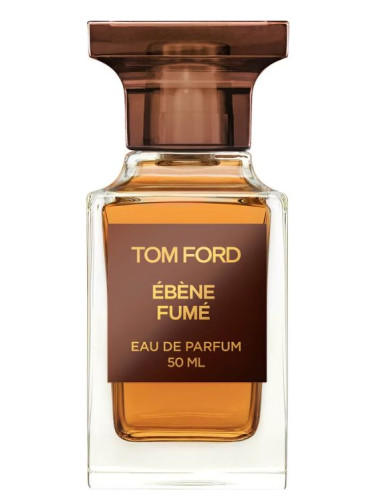

Side by side
Comparing the originals — price, breadth, listed-note depth.
Opens with sharp, resinous cypress cut through with cold smoke — almost medicinal in the first minutes, uncompromising. As it settles, oud and olibanum build a dense, churchy heart that reads more incense than wood, with leather adding a dry, slightly animalic edge rather than anything polished or sweet. The vanilla arrives late in the dry-down, softening without sweetening, functioning more as a fixative that smooths the smoke than a gourmand note. Projection is moderate, sillage close to the skin after a few hours — this wears like something private. — Best for cold-weather evenings when you want to smell like a dimly lit room with expensive furniture.
Cardamom and a whisper of raspberry push through the opening — sharp and slightly sweet, then gone fast. Within minutes, the leather takes over: dry, smooth, and slightly smoky, anchored by jasmine that adds a faintly animalic warmth rather than anything floral. Patchouli and amber deepen the dry-down into something earthy and resinous without going powdery. Projection is commanding in the first few hours before settling into a close, skin-warming sillage that lasts well. — Built for cold weather and confident wearers who want leather that actually smells like leather.
How they overlap
Ebène Fumée and Ombré Leather share exactly one note (leather). The overlap is real but narrow — most of the wear experience will diverge.
The buying decision
Ombré Leather is the cheaper original at $265 compared to $365 for Ebène Fumée — about 27% less. Both wear best across the same fall/winter — they're interchangeable on weather fit.
Recommendation
If you're price-sensitive, Ombré Leather delivers comparable territory at $100 less than Ebène Fumée. If you want the specific character of Ebène Fumée — the prose above is the better guide than the price — the premium is what you're paying for.
Free: The 30 Best-Tested Dupes Under $40
A community-scored cheat sheet you can download now — 30 designer scents matched for under $40, ranked by accuracy and longevity.