Italian Cypress vs Plum Japonais
Side by side. Scored honestly.
← Compare different fragrances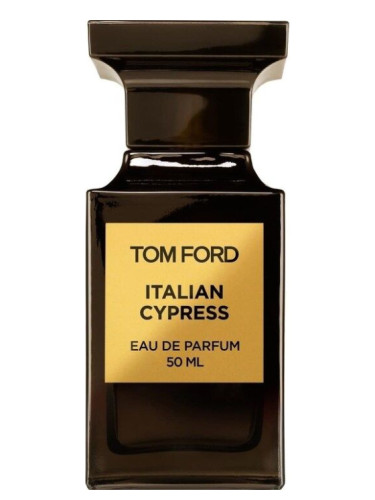
Side by side
Comparing the originals — price, breadth, listed-note depth.
Opens with a sharp, resinous cypress that reads almost medicinal — green and slightly bitter, lifted by a clean bergamot that keeps it from going dark. The galbanum adds a cool, waxy edge in the heart, reinforcing that dry, almost cold-air quality. As it settles, cedarwood and amber smooth things out considerably, pushing it toward a warm, woody softness without losing the evergreen backbone. Projection is moderate, sillage stays close after a few hours, and the dry-down is quietly resinous. — Best worn in cool weather by anyone who prefers their woods spare and austere rather than sweet.
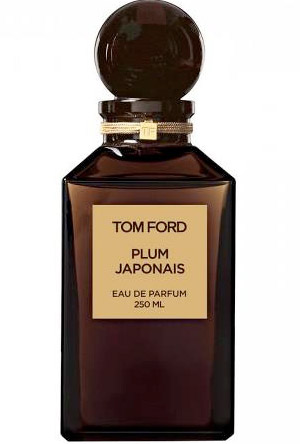
Opens with a ripe, almost bruised plum that's more lacquered than juicy, immediately softened by osmanthus lending an apricot-skin sweetness with faint leather underneath. The heart deepens into smoky incense that keeps the fruit from going gourmand-syrupy, holding everything in elegant tension. Dry-down is warm sandalwood and amber with a skin-close musk — projection is moderate to low, sillage intimate rather than commanding. The overall effect is a sophisticated, quietly smoldering oriental that wears like a second skin — ideal for cold-weather evenings and anyone who prefers depth over spectacle.
How they overlap
Italian Cypress and Plum Japonais share exactly one note (amber). The overlap is real but narrow — most of the wear experience will diverge.
The buying decision
Italian Cypress is the cheaper original at $325 compared to $365 for Plum Japonais — about 11% less. Italian Cypress is built for spring/fall; Plum Japonais for fall/winter. Pick by when you'd actually wear it.
Free: The 30 Best-Tested Dupes Under $40
A community-scored cheat sheet you can download now — 30 designer scents matched for under $40, ranked by accuracy and longevity.