Jasmin Rouge vs Plum Japonais
Side by side. Scored honestly.
← Compare different fragrances
Side by side
Comparing the originals — price, breadth, listed-note depth.
Jasmine leads hard from the first spray — dense, almost animalic, edged with ylang ylang's creamy banana-floral weight and a bright neroli-mandarin citrus that softens the opening without lightening it. The heart is uncompromising: this is jasmine as a statement, not a suggestion. As it settles, amber and immortelle pull things warm and slightly herbal-honeyed, while leather adds a dry, skin-close rasp to the dry-down. Projection is assertive without being nuclear; sillage lingers richly for hours. — Cold-weather evenings, worn by someone who wants to be noticed before they enter the room.
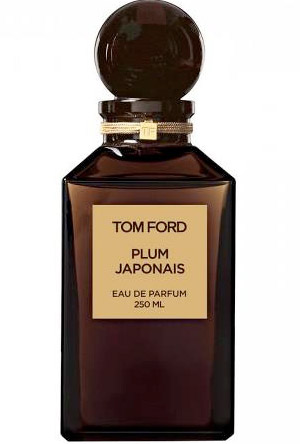
Opens with a ripe, almost bruised plum that's more lacquered than juicy, immediately softened by osmanthus lending an apricot-skin sweetness with faint leather underneath. The heart deepens into smoky incense that keeps the fruit from going gourmand-syrupy, holding everything in elegant tension. Dry-down is warm sandalwood and amber with a skin-close musk — projection is moderate to low, sillage intimate rather than commanding. The overall effect is a sophisticated, quietly smoldering oriental that wears like a second skin — ideal for cold-weather evenings and anyone who prefers depth over spectacle.
How they overlap
Jasmin Rouge and Plum Japonais share exactly one note (amber). The overlap is real but narrow — most of the wear experience will diverge.
The buying decision
Original-bottle pricing is essentially identical ($365 vs $365), so the choice rarely comes down to upfront cost. Both wear best across the same fall/winter — they're interchangeable on weather fit.
Free: The 30 Best-Tested Dupes Under $40
A community-scored cheat sheet you can download now — 30 designer scents matched for under $40, ranked by accuracy and longevity.