Mandarino di Amalfi vs Plum Japonais
Side by side. Scored honestly.
← Compare different fragrances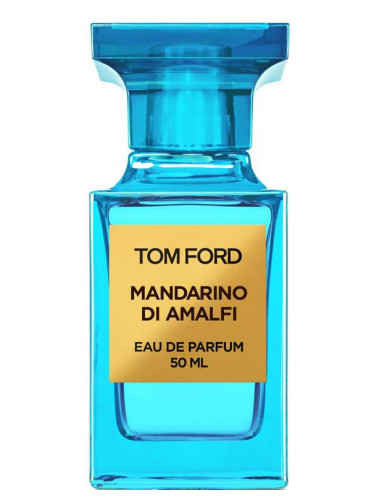
Side by side
Comparing the originals — price, breadth, listed-note depth.
Mandarin leads the opening with a juicy, sun-warmed burst that leans closer to the actual fruit than to candy, layered immediately with the sharper lift of lemon and bergamot. Neroli bridges the citrus heart into something slightly floral and green — cooling it down rather than sweetening it. The dry-down is where ambroxan and musk do quiet structural work, giving the whole thing soft skin-warmth and a low, clean sillage that reads expensive without announcing itself. Projection stays polite and intimate throughout — warm-weather wear for someone who wants to smell like a coastal afternoon without trying.
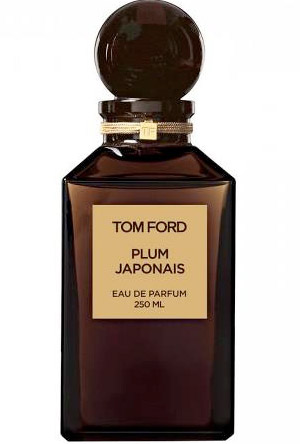
Opens with a ripe, almost bruised plum that's more lacquered than juicy, immediately softened by osmanthus lending an apricot-skin sweetness with faint leather underneath. The heart deepens into smoky incense that keeps the fruit from going gourmand-syrupy, holding everything in elegant tension. Dry-down is warm sandalwood and amber with a skin-close musk — projection is moderate to low, sillage intimate rather than commanding. The overall effect is a sophisticated, quietly smoldering oriental that wears like a second skin — ideal for cold-weather evenings and anyone who prefers depth over spectacle.
How they overlap
Mandarino di Amalfi and Plum Japonais share exactly one note (musk). The overlap is real but narrow — most of the wear experience will diverge.
The buying decision
Mandarino di Amalfi is the cheaper original at $325 compared to $365 for Plum Japonais — about 11% less. Mandarino di Amalfi is built for spring/summer; Plum Japonais for fall/winter. Pick by when you'd actually wear it. They sit in different families — Mandarino di Amalfi is fresh, Plum Japonais is oriental+floral+woody+gourmand. Comparison is more about preference than tradeoff.
Free: The 30 Best-Tested Dupes Under $40
A community-scored cheat sheet you can download now — 30 designer scents matched for under $40, ranked by accuracy and longevity.