Mandarino di Amalfi vs Soleil Blanc
Side by side. Scored honestly.
← Compare different fragrances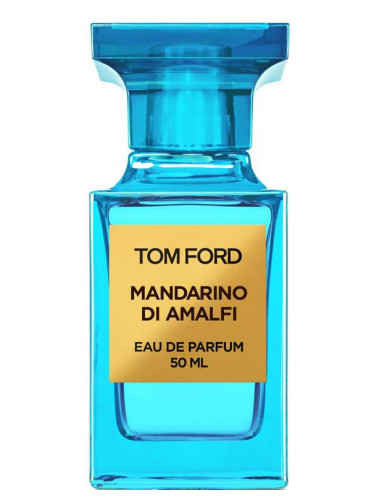

Side by side
Comparing the originals — price, breadth, listed-note depth.
Mandarin leads the opening with a juicy, sun-warmed burst that leans closer to the actual fruit than to candy, layered immediately with the sharper lift of lemon and bergamot. Neroli bridges the citrus heart into something slightly floral and green — cooling it down rather than sweetening it. The dry-down is where ambroxan and musk do quiet structural work, giving the whole thing soft skin-warmth and a low, clean sillage that reads expensive without announcing itself. Projection stays polite and intimate throughout — warm-weather wear for someone who wants to smell like a coastal afternoon without trying.
Bergamot and cardamom open bright and slightly spiced before the heart settles into a warm, creamy floral blend — tuberose and jasmine softened by ylang, the whole thing wrapped in coconut milk that reads sunscreen-adjacent without tipping into novelty. Pistachio adds a faint nuttiness that keeps it from going full tropical. The dry-down is benzoin and amber: skin-close, golden, almost edible. Projection is moderate, sillage a quiet trail rather than a broadcast. — Beach vacations, hot-weather evenings, anyone who wants warmth without heaviness.
How they overlap
Mandarino di Amalfi and Soleil Blanc share exactly one note (bergamot). The overlap is real but narrow — most of the wear experience will diverge.
The buying decision
Original-bottle pricing is essentially identical ($325 vs $325), so the choice rarely comes down to upfront cost. Soleil Blanc covers 3 seasons (spring, summer, fall) — wider weather range than Mandarino di Amalfi, which leans spring/summer-only.
Free: The 30 Best-Tested Dupes Under $40
A community-scored cheat sheet you can download now — 30 designer scents matched for under $40, ranked by accuracy and longevity.