Oud Wood vs Green Irish Tweed
Side by side. Scored honestly.
← Compare different fragrances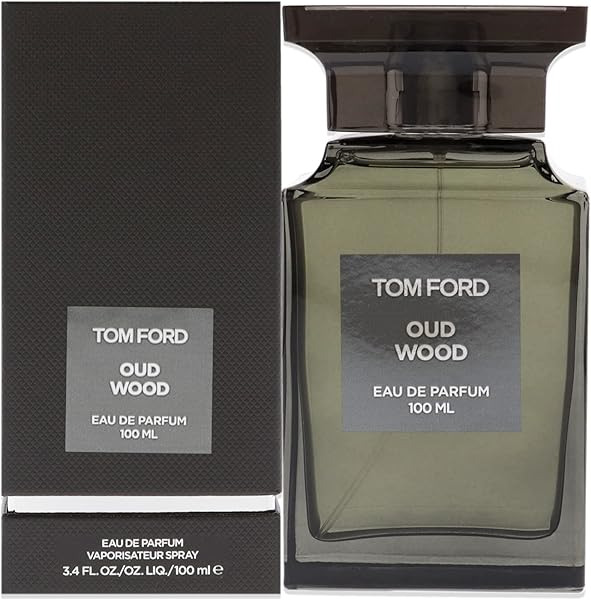

Side by side
Comparing the originals — price, breadth, listed-note depth.
Opens with a soft, spiced warmth — cardamom lifting the rosewood into something almost edible before the oud arrives. And this oud is polished, not barnyard: smooth, slightly smoky, more boardroom than bazaar. The heart settles into a clean wood accord where sandalwood and rosewood blend seamlessly, with vetiver grounding it from beneath. Dry-down is amber-rich and skin-close, leaving a quiet, persistent sillage that lasts for hours without announcing itself. Projection is moderate and intimate rather than room-filling — a fragrance built for proximity. — Fall and winter evenings, anyone who wants sophisticated warmth without heaviness.
Opens with sharp, bright lemon verbena that cuts clean and green before violet leaves pull it toward a cool, crushed-grass character — the kind that reads as outdoor air rather than florals. The iris heart adds a faint powdery root note that keeps it from going purely sporty. Dry-down is understated: sandalwood and ambergris settle into a smooth, slightly salty warmth with good skin-level sillage but modest projection overall. Quiet confidence, not volume — A spring and summer classic for men who want clean without smelling like a shower gel.
How they overlap
Oud Wood and Green Irish Tweed share exactly one note (sandalwood). The overlap is real but narrow — most of the wear experience will diverge.
The buying decision
Oud Wood is the cheaper original at $295 compared to $475 for Green Irish Tweed — about 38% less. Oud Wood is built for fall/winter; Green Irish Tweed for spring/summer/fall. Pick by when you'd actually wear it.
Recommendation
If you're price-sensitive, Oud Wood delivers comparable territory at $180 less than Green Irish Tweed. If you want the specific character of Green Irish Tweed — the prose above is the better guide than the price — the premium is what you're paying for.
Free: The 30 Best-Tested Dupes Under $40
A community-scored cheat sheet you can download now — 30 designer scents matched for under $40, ranked by accuracy and longevity.