Oud Wood vs Noir EDP
Side by side. Scored honestly.
← Compare different fragrances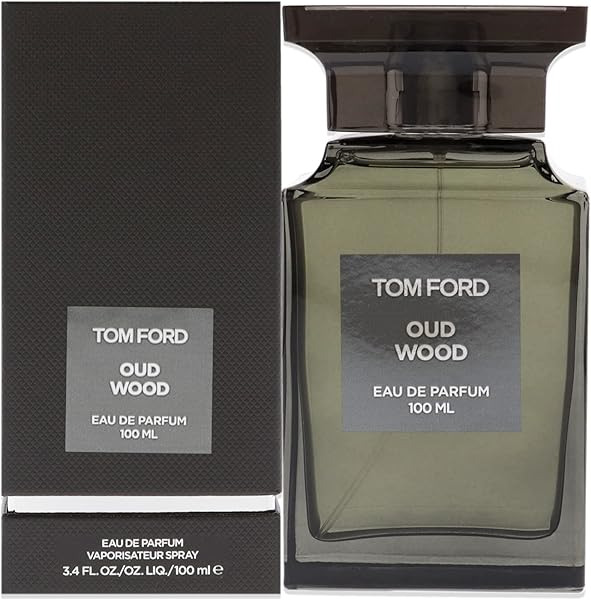

Side by side
Comparing the originals — price, breadth, listed-note depth.
Opens with a soft, spiced warmth — cardamom lifting the rosewood into something almost edible before the oud arrives. And this oud is polished, not barnyard: smooth, slightly smoky, more boardroom than bazaar. The heart settles into a clean wood accord where sandalwood and rosewood blend seamlessly, with vetiver grounding it from beneath. Dry-down is amber-rich and skin-close, leaving a quiet, persistent sillage that lasts for hours without announcing itself. Projection is moderate and intimate rather than room-filling — a fragrance built for proximity. — Fall and winter evenings, anyone who wants sophisticated warmth without heaviness.
Opens with a sharp crack of black pepper and nutmeg over a bright lemongrass edge that fades fast. The heart settles into a smoky, slightly powdery rose held down by patchouli and orris — darker and earthier than the citrus opener suggests. The dry-down is where it earns its reputation: vanilla, amber, and opoponax build into a warm, resinous base with real staying power and moderate-to-strong sillage that lingers close to skin by hour four. Projection is confident without being loud — a grown fragrance that doesn't announce itself twice — Fall and winter evenings, formal or date settings, someone who wants warmth with an edge.
How they overlap
Oud Wood and Noir EDP share exactly one note (amber). The overlap is real but narrow — most of the wear experience will diverge.
The buying decision
Noir EDP is the cheaper original at $160 compared to $295 for Oud Wood — about 46% less. Both wear best across the same fall/winter — they're interchangeable on weather fit.
Recommendation
If you're price-sensitive, Noir EDP delivers comparable territory at $135 less than Oud Wood. If you want the specific character of Oud Wood — the prose above is the better guide than the price — the premium is what you're paying for.
Free: The 30 Best-Tested Dupes Under $40
A community-scored cheat sheet you can download now — 30 designer scents matched for under $40, ranked by accuracy and longevity.