Tuscan Leather vs Symphony
Side by side. Scored honestly.
← Compare different fragrances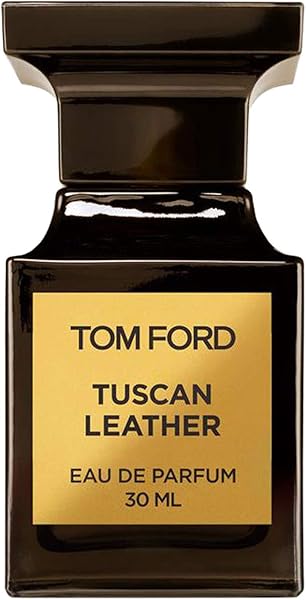
Side by side
Comparing the originals — price, breadth, listed-note depth.
Opens with a sharp, slightly tart raspberry cut through by metallic saffron — not sweet, more like blood and spice. Thyme adds a dry herbal edge before the heart pivots hard into leather: raw, almost animalic, the kind that smells like hide rather than a jacket. Jasmine softens without feminizing it. The dry-down settles into a warm amber-olibanum base that anchors the leather for hours. Projection is assertive but never screaming; sillage lingers close and dark — Built for cold weather and anyone who wants to smell expensive and slightly dangerous.
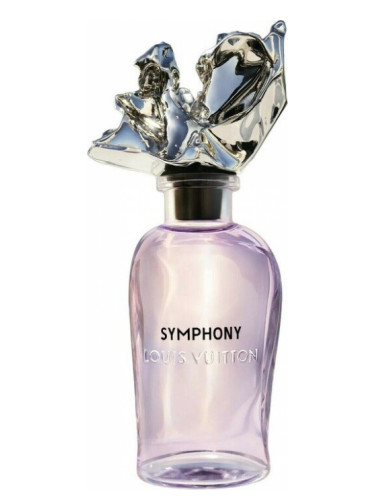
The opening is cool and powdery, iris and aldehydes hitting together with that slightly soapy, almost metallic lift that classic aldehydic florals are known for — refined rather than sharp. Rose steps in to soften the heart without turning sweet, keeping things restrained and slightly abstract. The dry-down is where it earns its price: sandalwood and amber build a warm, skin-close base that holds the powder without turning gourmand, while musk keeps sillage intimate and long-lasting. Projection is moderate — it announces, doesn't broadcast — best worn in cooler months by anyone who wants something quiet and genuinely elegant, whether in a boardroom or a winter coat.
How they overlap
Tuscan Leather and Symphony share exactly one note (amber). The overlap is real but narrow — most of the wear experience will diverge.
The buying decision
Tuscan Leather is the cheaper original at $435 compared to $600 for Symphony — about 28% less. Symphony covers 3 seasons (spring, fall, winter) — wider weather range than Tuscan Leather, which leans fall/winter-only.
Recommendation
If you're price-sensitive, Tuscan Leather delivers comparable territory at $165 less than Symphony. If you want the specific character of Symphony — the prose above is the better guide than the price — the premium is what you're paying for.